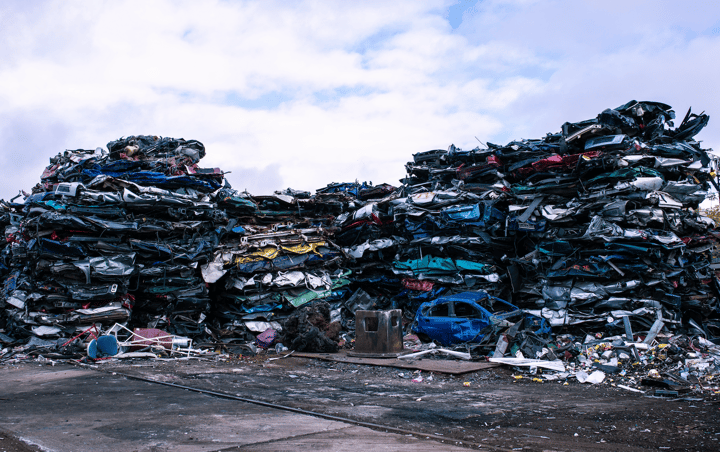
A German consortium led by materials manufacturer Covestro has launched the CARBEX research project, aimed at extracting valuable aromatic hydrocarbons—specifically benzene, toluene, ethylbenzene, and xylene (BTEX)—from automotive shredder residue (ASR). ASR represents one of the most challenging waste streams in the European transport sector, comprising mixed plastics, rubbers, foam, and composite materials that traditionally end up in landfill or energy-from-waste facilities.
Why it matters
Chemical recycling of complex automotive scrap addresses two critical pressures facing the plastics industry: reducing reliance on virgin fossil-based feedstocks and tackling hard-to-recycle industrial waste streams. By converting heterogeneous shredder residue back into fundamental aromatic building blocks, the CARBEX initiative seeks to produce secondary raw materials with significantly lower cradle-to-gate carbon footprints compared to conventional petrochemical refining. If successful at scale, this chemical conversion technology could help close the loop on end-of-life vehicle plastics, supporting stricter European circular economy targets and automotive end-of-life mandates.
Implications for recyclers and carbon reporting
For UK waste managers and Turkish plastics recyclers supplying European industrial chains, developments in advanced chemical recycling highlight a broader shift toward comprehensive lifecycle carbon accounting. As European Union and UK environmental regulations increasingly scrutinise Scope 3 emissions and landfill diversion rates, recyclers processing automotive and mixed post-industrial waste will face greater demand for traceable, low-carbon secondary feedstocks. While mechanical recycling remains the primary and most energy-efficient route for clean polyolefins and PET, chemical recovery of complex residues offers a complementary pathway. Over time, this could alter residual scrap valuations and divert hard-to-treat fractions away from thermal recovery, ultimately improving recyclers' corporate carbon reporting and ESG credentials.
Practical takeaway
Waste management operators and recyclers handling complex multi-material streams should monitor the progress of thermochemical recycling pilot initiatives. Characterising the chemical composition and carbon-intensity profiles of current residual waste outputs now will prepare operators for emerging off-take partnerships as chemical producers seek circular aromatic precursors across Europe.