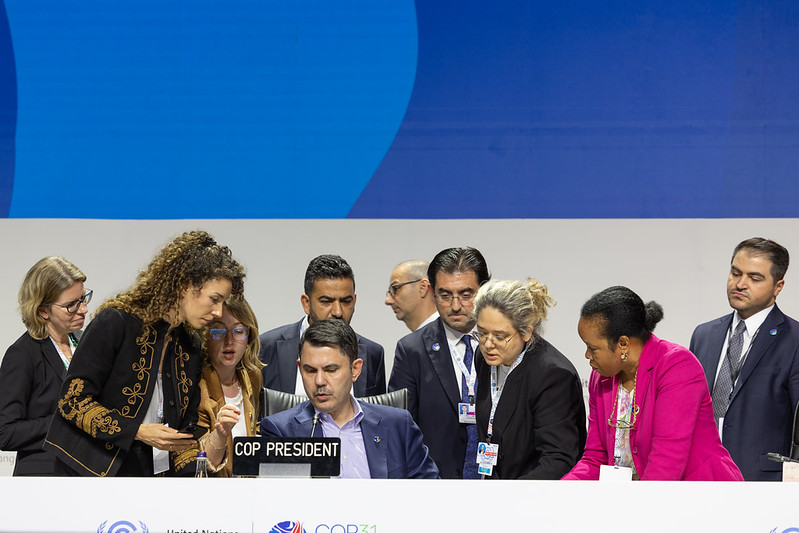
The 31st United Nations Climate Change Conference (COP31) hosted in Antalya, Türkiye, extended past its scheduled conclusion as international delegates failed to reach immediate consensus on the final summit agreement. Objections mounted following the early-morning release of a draft text, with negotiating blocs remaining divided over the strength of emission reduction targets, energy transition timelines, and climate finance provisions.
Why it matters
Hosting COP31 puts Türkiye's environmental strategy and carbon policies firmly under the international spotlight. While multilateral climate negotiations often run over schedule, the sticking points in Antalya highlight persistent friction between global economies regarding decarbonisation obligations. The final treaty text setting the trajectory for global emissions targets directly influences national legislation, international trade mechanisms—including carbon border adjustments—and corporate reporting expectations across industrial sectors.
Practical takeaway
Industrial operators should expect national environmental regulations to tighten irrespective of diplomatic delays at summit level. Keeping track of the ultimate COP31 text will help compliance teams anticipate future statutory carbon reporting and emissions management standards.
Relevance for UK and Turkish recyclers
For UK waste management firms, packaging converters, and Turkish reprocessors, the summit's outcome carries direct implications for carbon accounting and operational compliance. As Türkiye positions itself as a key circular economy partner for Europe, any national commitments made in Antalya will eventually translate into domestic legislation affecting industrial energy use and waste management infrastructure. Turkish plastic reprocessors face growing demand from UK and European buyers for audited Scope 1 and Scope 2 carbon footprint data, driven by strict Western reporting standards. Simultaneously, UK exporters and converters must prepare for potential changes in cross-border sustainability criteria, ensuring that supply chains linking UK waste collection with Turkish recycling operations remain fully compliant with evolving international carbon benchmarks.