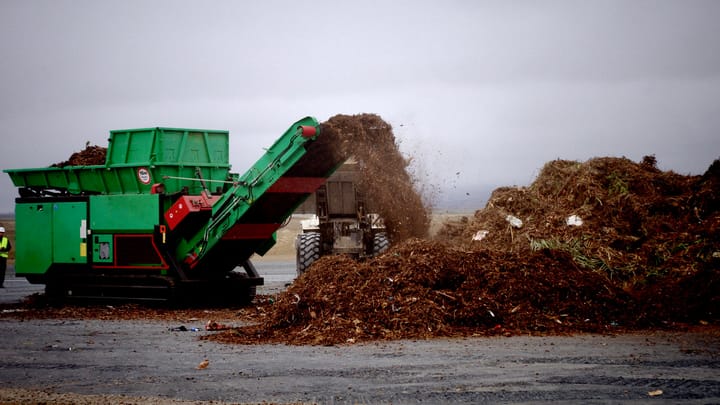
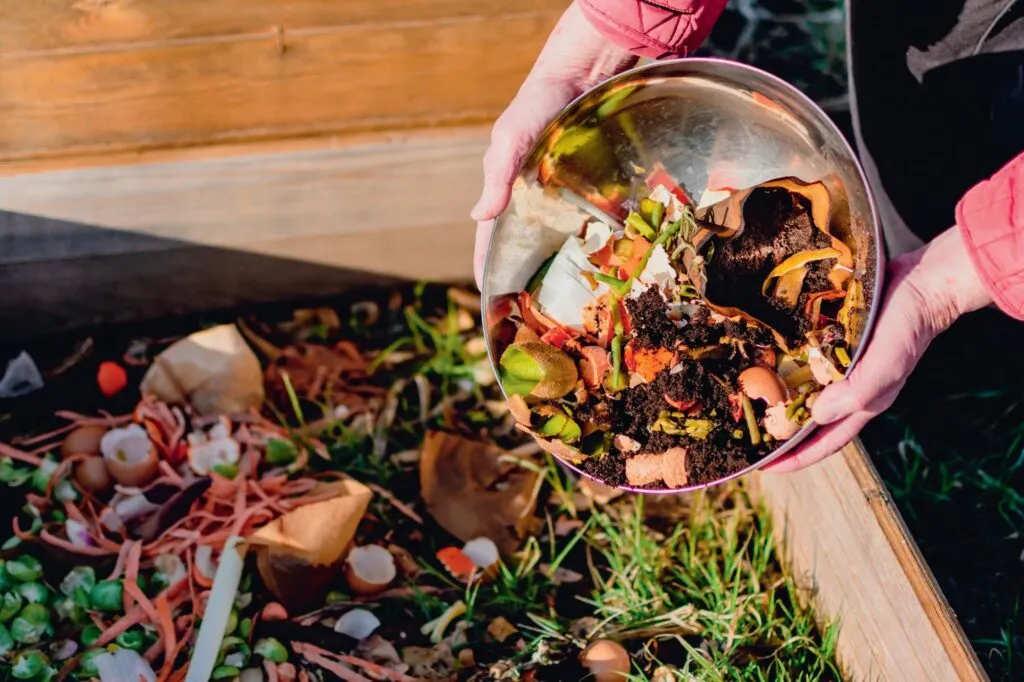
The debate surrounding compostable packaging often overlooks the critical bottleneck of waste processing infrastructure. Whilst marketed as an eco-friendly alternative to conventional polymers, compostable plastics require specific industrial composting facilities to degrade. Without widespread access to these specialised sites, much of this packaging ends up in landfill or, worse, enters the traditional mechanical recycling stream.
For UK waste management firms and Turkish polymer recyclers, the rise of compostables presents a significant operational headache. When compostable plastics, such as polylactic acid (PLA), are mixed with conventional polymers like PET, LDPE, or PP, they act as severe contaminants. Even low levels of PLA contamination can degrade the physical properties of recycled resins, lowering the quality and market value of the final rPET or polyolefin pellets.
Furthermore, as UK packaging converters face mounting pressure to adopt bio-based alternatives, they must weigh the marketing benefits against the reality of waste infrastructure. Currently, UK and European municipal waste systems remain largely unequipped to separate and process these materials at scale. For Turkish recyclers processing imported UK plastic waste, this lack of segregation at source increases the risk of batch contamination, directly impacting processing costs and circular economy compliance.
A practical takeaway for the industry is that packaging converters should prioritising highly recyclable mono-materials over compostables, unless a closed-loop collection and industrial composting route is guaranteed. Concurrently, recyclers must invest in advanced optical sorting technology to detect and remove compostable bioplastics before they contaminate conventional polymer batches.