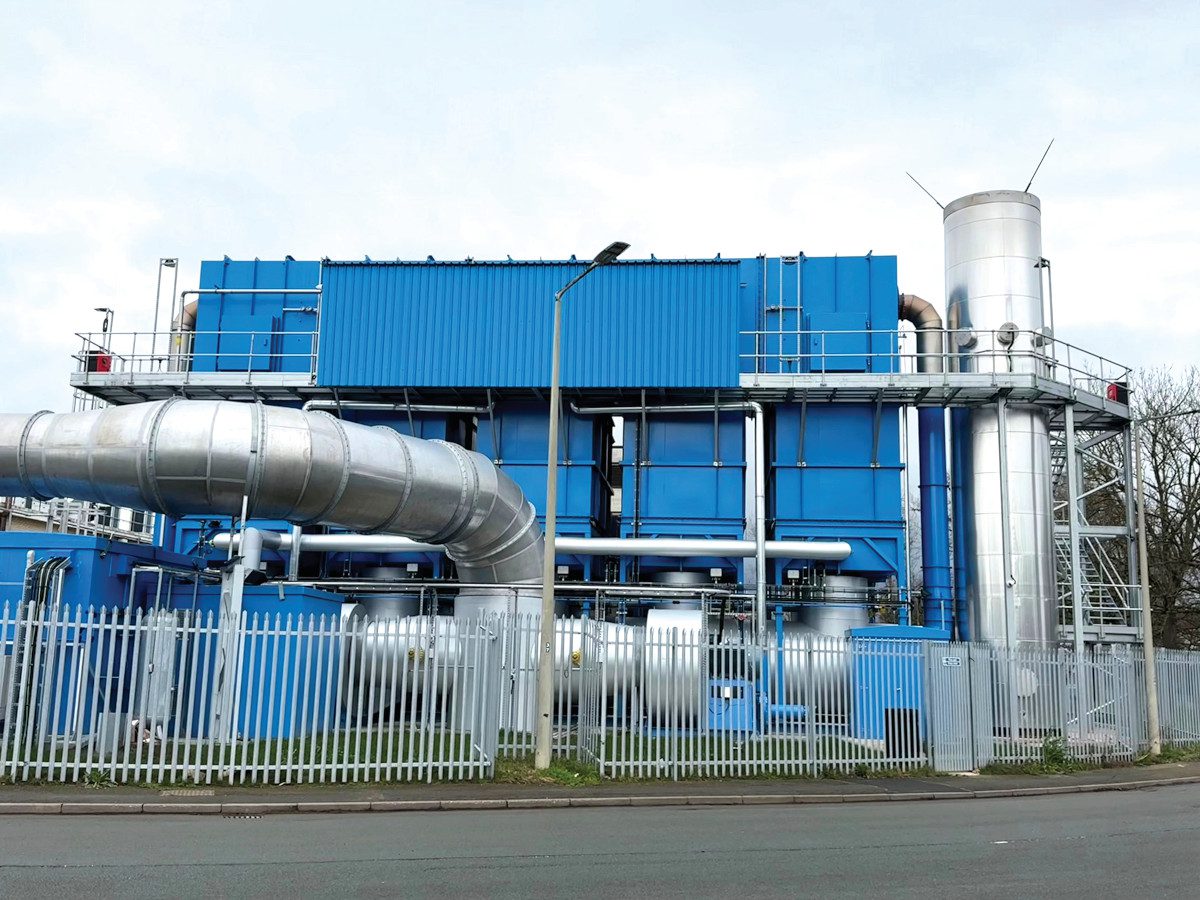
Global circular economy policy is reaching a critical nexus. While governments worldwide are establishing aggressive Extended Producer Responsibility (EPR) mandates and recycling targets, physical waste management infrastructure continues to lag severely behind. Industry analyses highlight a growing divide between top-level sustainability legislation and the operational capability required to collect, sort, and reprocess complex material streams.
This systemic disconnect stems from treating waste management as a secondary downstream consideration rather than the essential backbone of circular policy. As industry commentators observe, "ambitious targets are easy to set; the systems to deliver them are not." Without substantial capital expenditure in high-throughput sorting, advanced mechanical recycling, and infrastructure for non-recyclable fractions, legislative targets risk driving up compliance costs without delivering genuine material circularity.
Implications for UK and Turkish Recyclers
For waste operators in the UK and reprocessors in Türkiye, this policy-infrastructure gap has immediate consequences for operational costs, feedstock security, and carbon reporting. UK exporters face escalating scrutiny over material quality as regulatory frameworks tighten, while Turkish reprocessors must manage increasingly strict limits on imported scrap purity alongside domestic collection mandates.
As mandatory recycled content thresholds take effect across European and UK packaging markets, the supply of high-purity recycled polymers will remain constrained by inadequate sorting infrastructure. Operators that rely solely on national collection statistics to plan future capacity risk facing feed shortages and volatile material prices.
Practical Takeaway
Waste management firms and converters should align their long-term procurement and compliance strategies with verified physical sorting capacity rather than projected statutory targets. Investing in robust feedstock auditing, precise carbon accounting, and direct supply-chain integration will protect reprocessors from regulatory non-compliance and material bottlenecks as enforcement tightens.