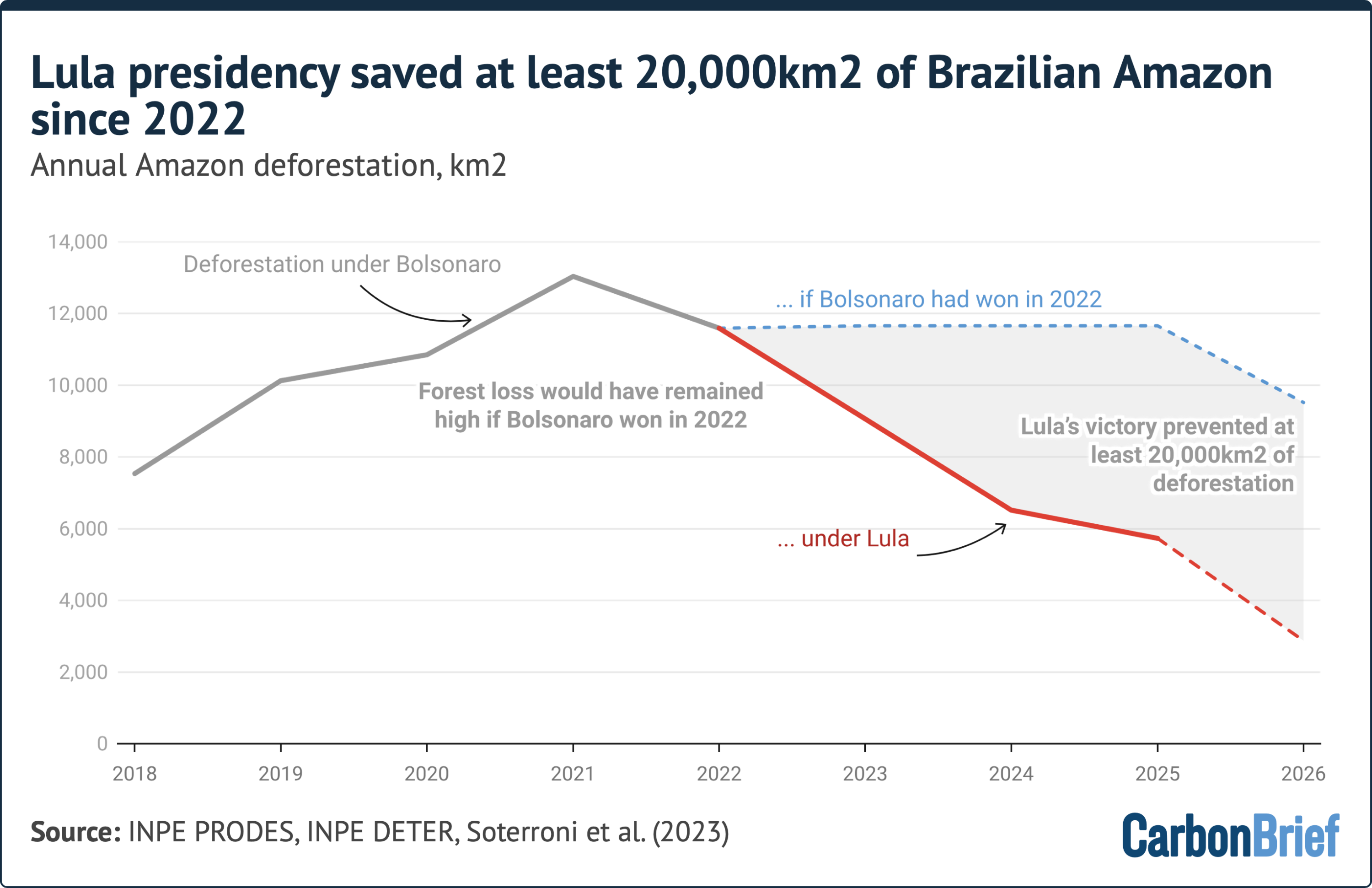
Analysis of satellite data reveals that policy shifts under Brazilian President Luiz Inácio Lula da Silva have prevented at least 20,000 square kilometres of deforestation in the Amazon since 2022. This represents a significant reduction in global carbon emissions, reversing the accelerating destruction seen under the previous administration.
While seemingly distant from European industrial hubs, the preservation of the world's largest rainforest has direct consequences for international carbon markets. Nature-based solutions, particularly avoided-deforestation initiatives, have historically underpinned the voluntary carbon offsets used by multinational corporations to claim carbon neutrality.
For UK packaging converters and Turkish recyclers, this development highlights the shifting landscape of carbon accounting and ESG reporting. As regulatory bodies in the UK and Europe crack down on greenwashing, the credibility of carbon-neutral packaging claims is under intense scrutiny. Many businesses in the plastics supply chain have historically relied on cheap offsets to balance their carbon books. The stabilisation of major carbon sinks like the Amazon, coupled with stricter international standards, means that vague or unverified offset claims will no longer satisfy compliance auditors or major retail clients.
Practical Takeaway for Traders and Recyclers:
Rather than relying on speculative international forestry offsets to market 'low-carbon' products, UK and Turkish operators should focus on verifiable, localised emissions reductions. Investing in energy-efficient recycling processes and sourcing high-quality recycled polymers (rPET, rHDPE) provides a far more robust, legally defensible carbon reduction metric for packaging clients than distant land-use offsets.