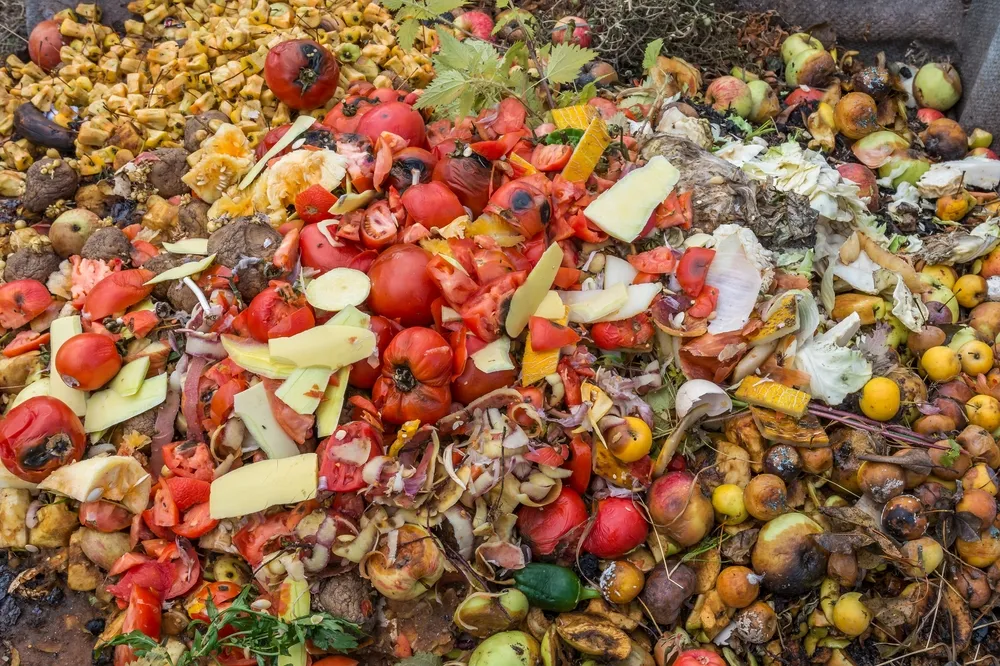
As the COP31 climate summit opens, UK climate action NGO WRAP has launched a strategic campaign urging international delegates to formalise commitments to curb food loss and waste. Partnering with several global organisations, the body aims to demonstrate how targeted food waste prevention yields rapid reductions in greenhouse gas emissions while simultaneously addressing societal food security challenges.
Food waste accounts for a significant portion of global anthropogenic methane and carbon emissions, making organic waste management a critical focal point for international decarbonisation targets. For the broader resource management sector, heightened focus on organic waste streams accelerates policy shifts towards dedicated collection infrastructure and circular supply chains. Furthermore, food waste mitigation intersects directly with packaging design. As governments seek immediate climate wins, regulatory pressure will increasingly scrutinise packaging formats to ensure they extend product shelf life without compromising recyclability or contributing to unnecessary landfill burdens.
For UK waste management companies, packaging converters, and Turkish recycling operations, this evolving policy focus carries distinct practical implications. While organic waste streams are distinct from polymer recovery, integrated waste operators face tighter reporting standards on diverted waste under expanding Scope 3 emissions frameworks. Packaging converters will experience growing demand for high-barrier, circular packaging formats—such as food-grade recycled PET (rPET) and polypropylene (PP)—that prevent food spoilage while complying with extended producer responsibility (EPR) mandates. Additionally, Turkish processors supplying food-contact compliant polymers to UK and EU markets must align their carbon accounting with international standards as supply chain transparency becomes paramount.
Resource management firms and packaging manufacturers should audit their carbon accounting processes and evaluate how product portfolios support spoilage reduction. Ensuring that flexible and rigid packaging materials align with emerging food-contact standards and eco-design regulations will protect market access as climate policies place greater emphasis on combined food and packaging waste reduction.