The UK climate action NGO WRAP has released its 2026 Recycling Tracker Survey, revealing that consumer confusion remains a primary barrier to improving national recycling rates. The research emphasises that rebuilding public confidence requires making recycling "simple and unambiguous" across all local authorities. According to the findings, inconsistent messaging and complex packaging labels lead to widespread sorting errors, which either direct recyclable plastics to landfill or contaminate recycling streams.
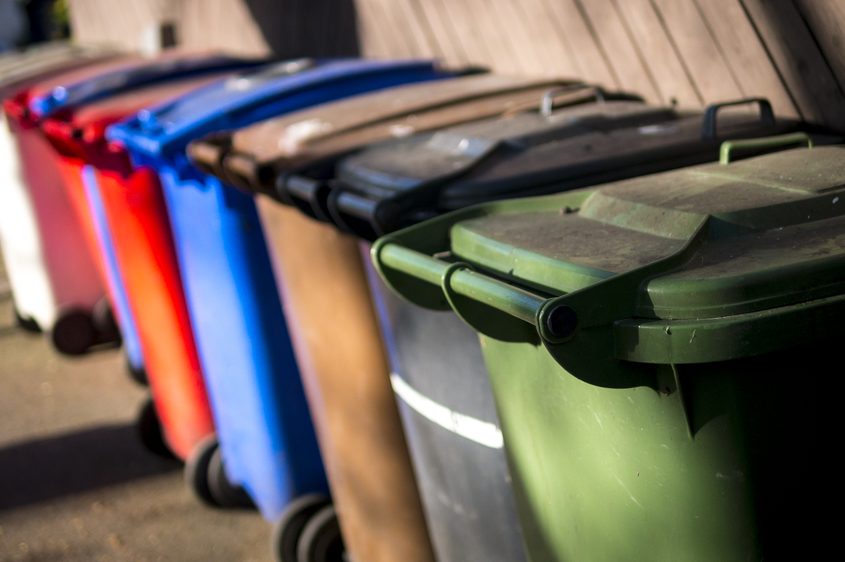
This issue goes to the heart of the UK's circular economy ambitions. Despite years of public campaigns, municipal recycling rates have struggled to make significant gains. When households are uncertain about which plastics are accepted, they either play it safe by discarding recyclable items in general waste, or "wishcycle" non-recyclable materials into the recycling bin. This contamination degrades the quality of collected polymers, driving up sorting costs at materials recovery facilities.
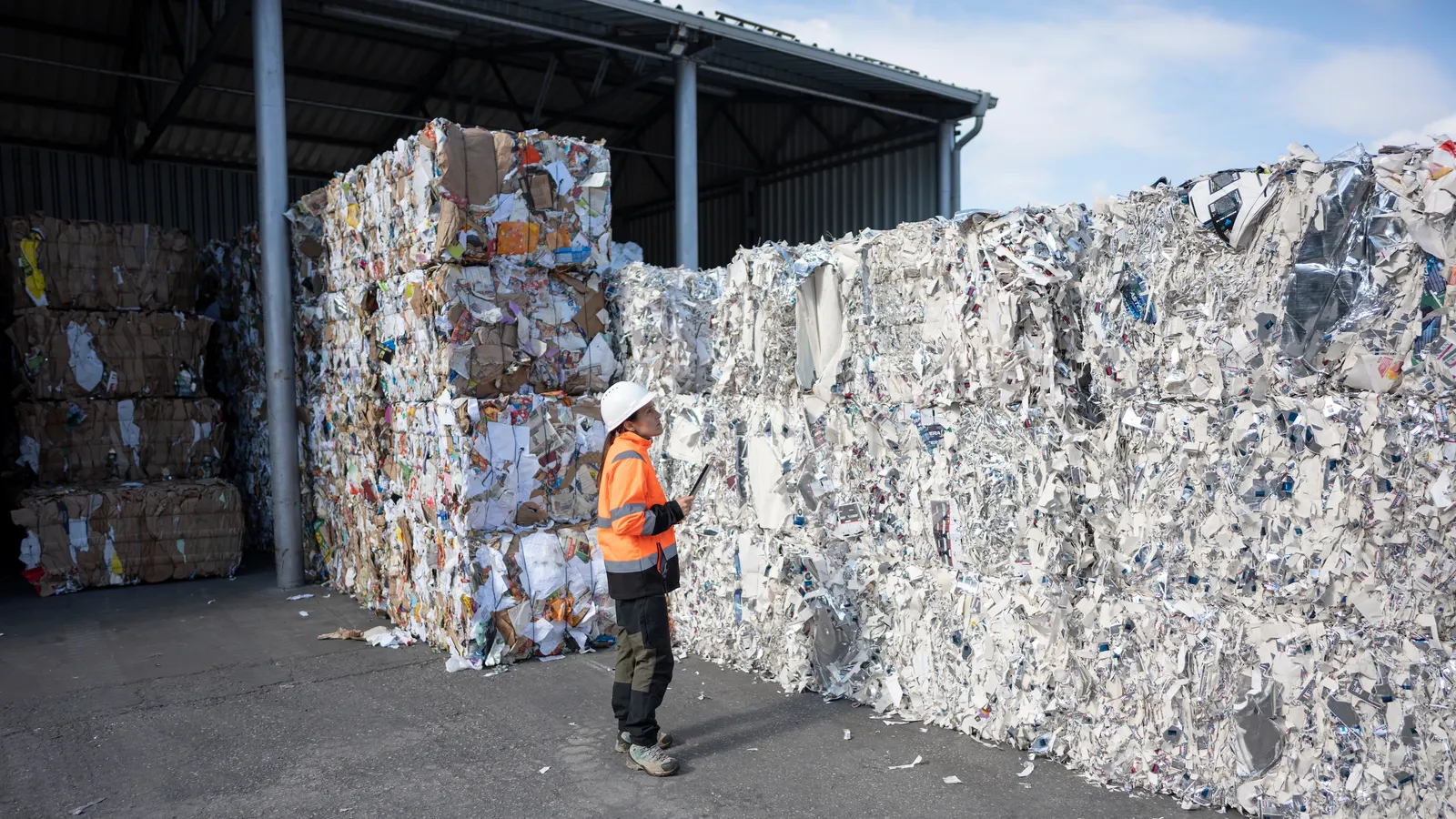
For our readers, particularly UK waste management firms and Turkish plastics recyclers, the quality of household collection is critical. UK waste companies face escalating operational costs when forced to secondary-sort highly contaminated municipal bales. For Turkish recyclers importing UK polymer scrap, high contamination rates mean lower processing yields, increased waste disposal costs in Türkiye, and greater difficulty in producing high-quality rPET, rHDPE, or rPP that meets strict European standards. Cleaner feedstock at the source is essential for maintaining the economic viability of the cross-border plastics supply chain.
A key practical takeaway from WRAP’s findings is the urgent need for packaging converters and brands to harmonise on-pack labelling ahead of upcoming regulatory shifts. Simplifying design and using clear, standardised disposal instructions will directly reduce contamination, ensuring a cleaner, more reliable stream of post-consumer resin for recyclers.