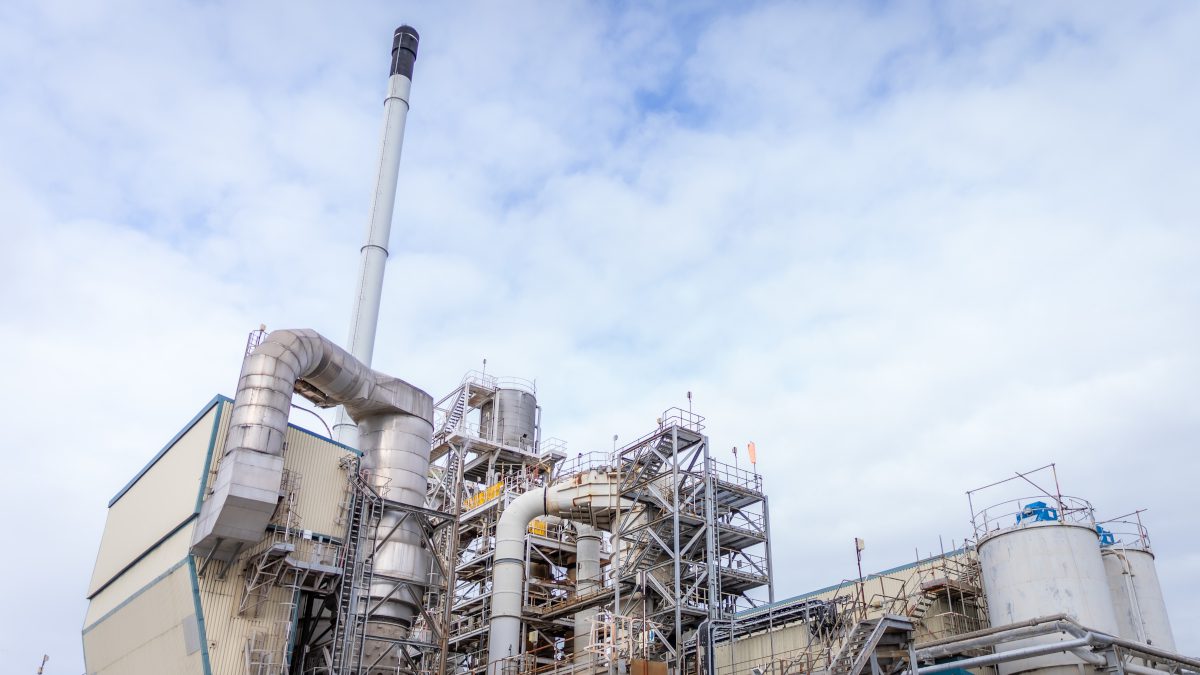
Environmental services group Veolia has secured a contract to supply specialized carbon dioxide purification and dehydration technology for the UK's first commercial-scale carbon capture project at an Energy-from-Waste (EfW) facility. The modular equipment will be deployed at the Encyclis Protos Energy Recovery Facility near Ellesmere Port in Cheshire, a key site within the HyNet industrial decarbonisation cluster.
Under the agreement, Veolia will design and deliver modular processing units engineered to remove moisture and contaminants from raw flue gases post-capture. Purifying the carbon dioxide stream is essential to prevent pipeline corrosion and ensure the gas meets exact purity specifications prior to compression, transport, and permanent geological storage beneath the Irish Sea.
The installation represents a notable technical development for the UK's waste management infrastructure. With the UK government planning to integrate municipal waste incineration into the UK Emissions Trading Scheme (UK ETS) in the coming years, EfW operators face increasing financial pressure to mitigate point-source carbon emissions. Carbon capture and storage (CCS) systems offer a pathway to reduce the climate impact of residual waste disposal, though they require substantial capital investment.
Impact on recyclers, reprocessors, and carbon reporting
For UK waste collectors, packaging converters, and plastic recyclers, the rollout of EfW carbon capture will influence corporate scope 3 emissions calculations and residual waste handling costs. Installing and operating capture technology will add operational expenditure to EfW plants, which is likely to feed through into higher gate fees for non-recyclable waste. Conversely, facilities that fail to capture emissions will face escalating carbon tax liabilities under the UK ETS. This cost trajectory reinforces the commercial incentive for mechanical recycling, as keeping high-calorific materials like polymers out of the incineration stream directly lowers both carbon liabilities and disposal costs. Recyclers should update their sustainability audit frameworks to reflect the evolving footprint of thermal treatment versus reprocessing.
Practical takeaway
Waste management firms and recycling processors should evaluate their long-term disposal contracts against anticipated EfW gate fee adjustments, utilizing the growing carbon cost gap between thermal recovery and recycling to strengthen the business case for plastic material recovery.