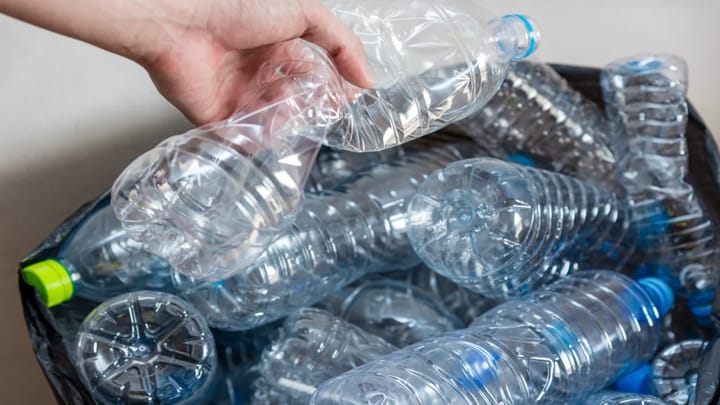
The National Association for PET Container Resources (NAPCOR) has released its 2025 PET Recycling Report, highlighting a growing mismatch in the US marketplace: PET container collection rates are declining even as domestic bottle-to-bottle reprocessing hits record levels. While American reprocessors have expanded capacity to feed food-grade packaging markets, municipal collection infrastructure has failed to yield sufficient volumes of post-consumer bales to meet domestic demand.
This structural deficit forces US reclaimers and packaging manufacturers to rely increasingly on imported post-consumer resin (PCR) and washed PET flake. As North American buyers seek supply overseas, global spot prices for high-grade rPET flake and food-contact PCR are under upward pressure. The trend underscores a recurring bottleneck across mature packaging markets, where corporate recycled-content commitments and statutory mandates are outstripping local waste collection performance.
For UK waste management companies, packaging converters, and Turkish reprocessors, North America's supply deficit carries direct commercial implications. UK exporters of sorted post-consumer PET bales may find enhanced export arbitrage opportunities as international buyers compete for European feedstock. Conversely, Turkish recyclers reliant on imported scrap or flake to produce food-grade rPET pellets face rising input costs as global competition for raw material intensifies. Meanwhile, UK packaging converters operating on narrow margins could see spot rPET prices rise if international demand pulls material away from European markets.
Practical Takeaway: Market participants across the UK–Türkiye packaging corridor should re-evaluate their feedstock hedging and supply agreements. Recyclers and converters relying on spot-market purchases should move towards multi-year supply contracts indexed to local benchmarks to buffer against transatlantic price contagion.