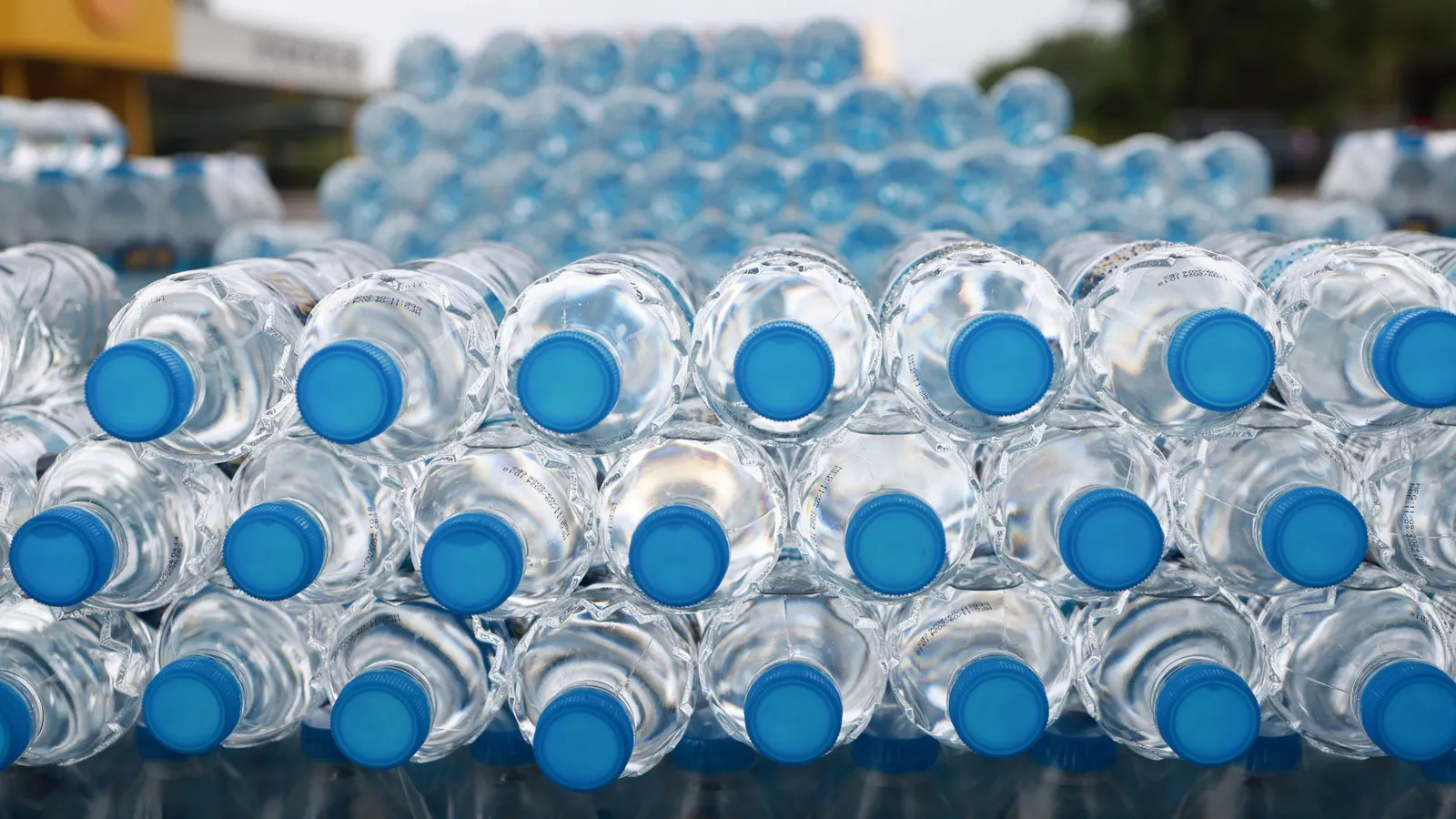
Recent market data from North America highlights a growing divergence in the recycled polyethylene terephthalate (rPET) sector: while overall PET collection rates have experienced a decline, the proportion of post-consumer recycled content incorporated into beverage bottles has continued to climb. Structural factors including bottle lightweighting, persistent imports of lower-cost virgin resin, and technical hurdles with PET thermoform packaging are fundamentally reshaping material flows.
The decline in gross recycling percentages stems partly from changes in container design. Aggressive lightweighting reduces the total mass of PET recovered per bottle collected, which depresses traditional weight-based metrics even when unit recovery remains stable. Concurrently, competitive virgin PET pricing has squeezed margins for reprocessors, while non-bottle formats like thermoform trays continue to present sorting and processing challenges for standard wash plants.
Despite these supply-side headwinds, brand commitments and regulatory targets are sustaining demand for high-spec food-contact rPET flakes and pellets. Beverage manufacturers are securing premium rPET streams to fulfil mandatory targets, effectively insulating food-grade resin prices from broader market weakness in low-grade mechanical recyclate.
Implications for UK–Türkiye Trade
For UK waste managers and Turkish reprocessors, these trends mirror conditions across European supply chains. UK materials recovery facilities (MRFs) face increasingly stringent input specifications from buyers, as recyclers reject thermoform-heavy or contaminated bales in favour of clean bottle scrap. For Turkish recycling firms exporting rPET pellets into the UK and EU, maintaining high decontamination standards is critical. With converters under pressure to hit minimum recycled content quotas, demand remains robust for high-purity food-grade rPET, whereas lower-tier industrial grades face fierce competition from cheap prime polymer imports.
Practical Takeaway
Converters and reprocessors should decouple their pricing and sourcing expectations for food-contact rPET from basic post-industrial or low-grade scrap indices. Investing in advanced optical sorting and decontamination technology is mandatory to isolate high-value bottle streams and secure long-term off-take agreements.