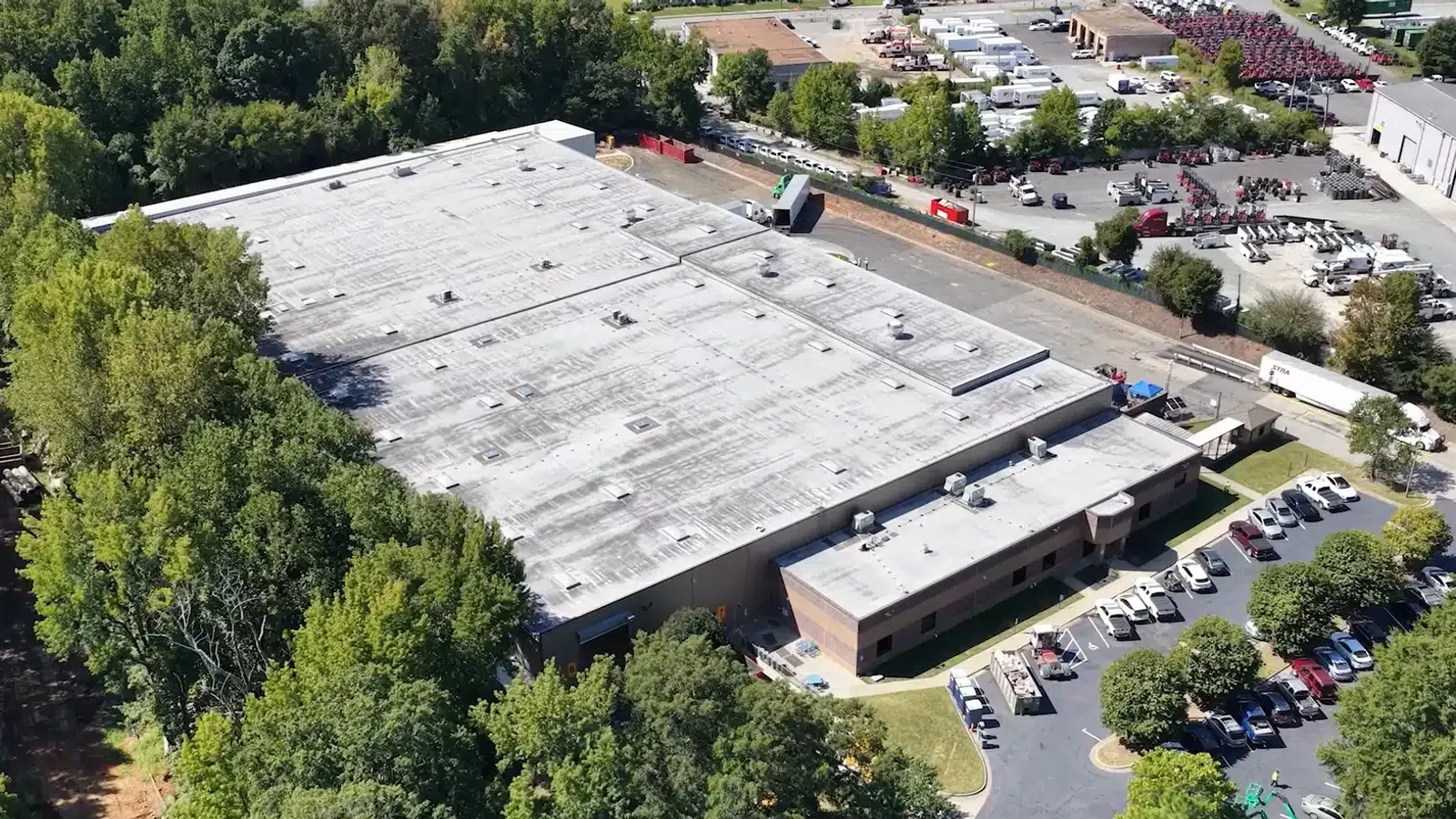
Several major materials recovery facilities (MRFs) across the United States, including sites in North Carolina, California, and Colorado, are undergoing significant technological overhauls. These upgrades leverage artificial intelligence (AI) and advanced optical sorting to improve throughput, detect contamination, and monitor material flows with unprecedented accuracy.
The integration of AI and automated sorting in municipal recycling is no longer a futuristic concept; it is rapidly becoming the baseline industry standard. As facilities scale up their ability to produce highly purified single-stream polymer fractions, global market expectations for bale quality are rising. For the wider recycling sector, this technological leap demonstrates how automated systems can reduce reliance on manual labour while simultaneously driving down contamination rates to near-zero levels.
For UK waste management companies and Turkish recyclers, this trend carries significant implications. Türkiye's import regulations on plastic waste remain strict, demanding exceptionally low contamination levels. UK MRFs that fail to invest in similar optical and AI-driven sorting technologies risk falling behind, as their manually sorted bales may struggle to meet the stringent quality thresholds required by Turkish customs or the high-purity demands of Turkish reprocessors. Conversely, Turkish recyclers can look to these technological advancements to optimise their own front-end sorting lines, ensuring a more consistent feedstock for high-value rPET and polyolefin pellet production.
The practical takeaway for UK exporters is clear: they must audit their current sorting capabilities against emerging AI standards. Investing in optical sorting upgrades is increasingly necessary to secure long-term access to export markets like Türkiye, where tolerance for contaminated plastic waste continues to diminish.