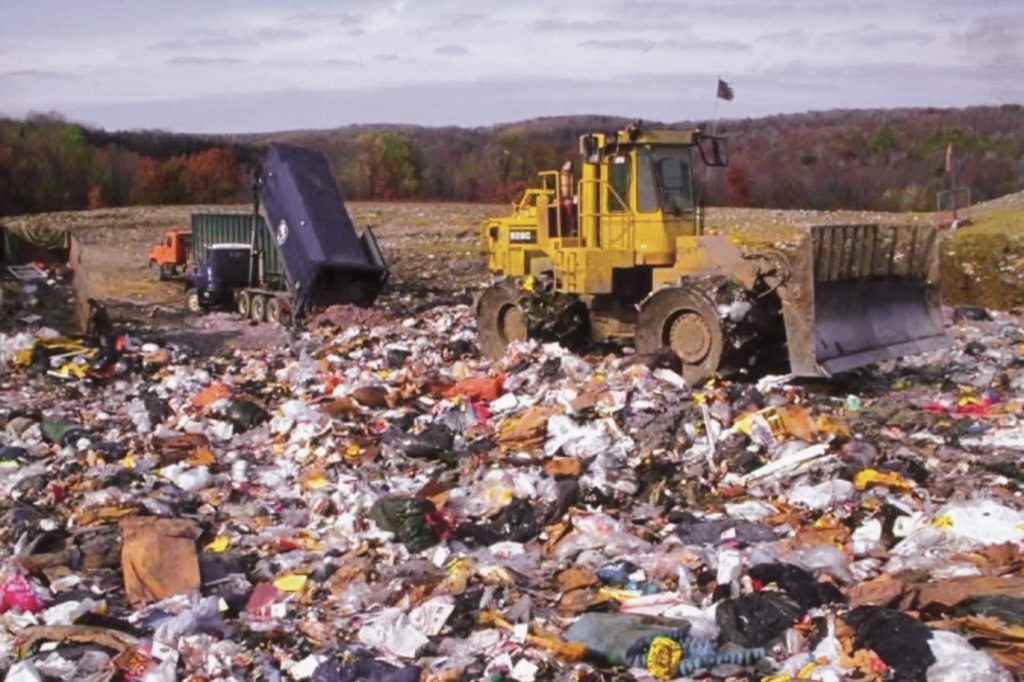
A recent study in the United States has argued that standard methodologies used to measure landfill greenhouse gas output fail to capture the true scale of site emissions, calling for continuous, year-round monitoring to replace intermittent sampling.
The findings highlight that existing theoretical models and seasonal snapshot surveys frequently overlook significant operational and climatic variances. Methane, which carries a global warming potential over 80 times greater than carbon dioxide across a 20-year horizon, can escape through landfill covers in erratic pulses driven by changes in temperature, rainfall, and barometric pressure. When monitoring relies on occasional site visits, these fugitive emission spikes are often missed, leading to understated baseline figures in national emissions inventories.
For UK and Turkish waste operators and recyclers, advances in methane measurement carry direct implications for carbon compliance, site permitting, and corporate ESG reporting. As regulatory bodies across Europe and the UK evaluate satellite and drone-based continuous surveillance, waste treatment facilities face growing pressure to provide auditable emissions data. Stricter accounting of landfill emissions strengthens the policy justification for aggressive diversion mandates, reinforcing the economic and environmental case for mechanical sorting, recovery, and reprocessing infrastructure over disposal.
Furthermore, accurate measurement frameworks will increasingly affect Scope 3 emissions calculations for brand owners and packaging converters. If disposal pathways are shown to generate higher emissions than previously modelled, secondary raw material usage will offer an even sharper carbon reduction advantage compared to virgin polymer supply chains tied to residual incineration or landfilling.
Practical takeaway: Waste management operators and packaging suppliers should review how landfill disposal emissions are quantified in their Scope 3 reporting, anticipating stricter measurement methodologies and stronger commercial demand for verified circular diversion.