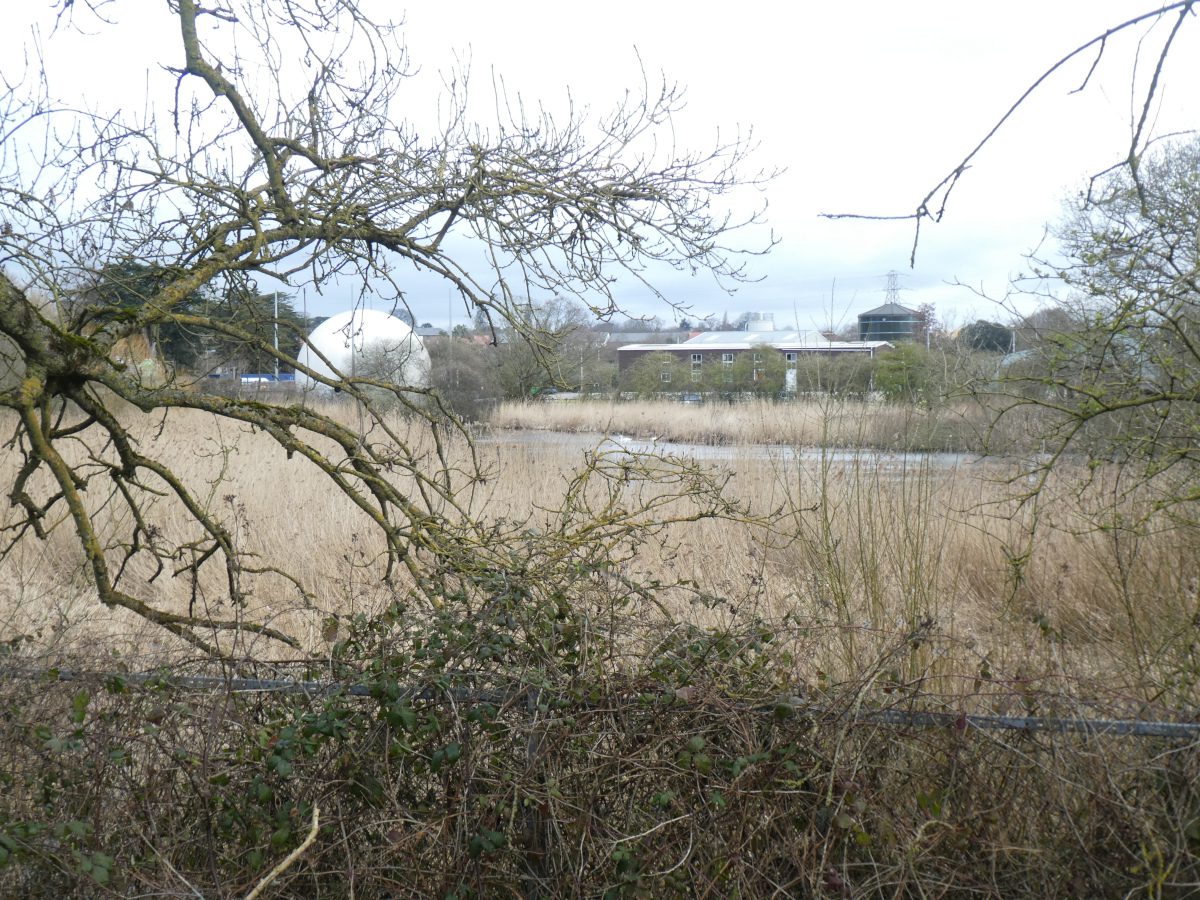
UK water company United Utilities is seeking partners for a new initiative called "Living Logic," which aims to combine nature-based wastewater treatment with digital monitoring, diagnostics, and decision-support technology. The project is designed to improve the predictability of natural treatment systems, such as reed beds and wetlands, making them more viable for large-scale industrial deployment and commercial investment.
Traditionally, nature-based water treatment systems have been viewed as unpredictable compared to conventional, chemical-heavy mechanical plants. By integrating real-time digital monitoring, United Utilities hopes to turn these natural assets into highly visible, manageable infrastructure. This integration provides the data validation required by environmental regulators and financial backers, potentially accelerating the transition toward lower-carbon water management.
For plastics recyclers and waste management companies in the UK and Türkiye, this development is highly relevant to operational costs and sustainability compliance. Polymer recycling—particularly the washing of post-consumer PET, HDPE, and LDPE—is highly water-intensive and generates significant volumes of trade effluent. As municipal discharge fees rise and environmental regulations tighten in both the UK and Europe, recyclers face mounting pressure to clean and reuse wash-line water on-site. The advent of digitally monitored, nature-based treatment systems offers a pathway for recyclers to reduce their reliance on expensive chemical treatments and lower their Scope 1 and 2 emissions, whilst maintaining the strict data logs required for environmental permits.
The practical takeaway for recycling operators is to actively evaluate hybrid, nature-based water treatment options when planning wash-plant upgrades. Integrating smart natural systems can significantly reduce long-term trade effluent surcharges while providing the robust, auditable data needed to satisfy environmental regulators and ESG-conscious packaging clients.