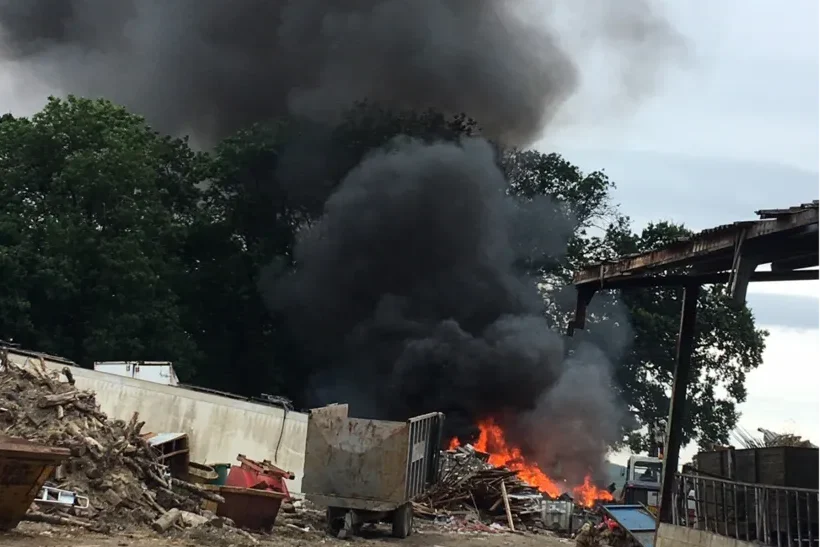
The Environment Agency (EA) in England has accepted £168,000 in regulatory settlements from waste offenders in Lincolnshire, highlighting the persistent application of civil sanctions for environmental non-compliance. Among the payments, a £90,000 contribution was directed to local conservation initiatives following an illegal waste deposit incident at Hook Cliff Farm.
Enforcement Undertakings (EUs) allow businesses and individuals that have committed specific environmental offences to make financial restitution to environmental charities rather than face criminal prosecution in court. While EUs avoid formal convictions, offenders must restore any damage caused, cover EA oversight costs, and demonstrate concrete operational changes to prevent future incidents.
This outcome underlines the UK regulator’s active stance on unpermitted waste deposits and management failures. For the broader waste sector, civil sanctions offer a route to resolve minor or first-time breaches, but they reflect a regulatory environment that demands strict accountability across all site operations.
What this means for UK–Türkiye trade and recyclers
For UK waste management firms, packaging converters, and international trade partners—including Turkish reprocessors—regulatory enforcement at the primary supply level carries direct commercial implications. Waste exported for processing or re-granulation must originate from legitimate, fully permitted sites with clear duty-of-care records.
If a UK material supplier faces enforcement actions or operational suspensions due to unpermitted activities, the resulting supply disruptions jeopardize downstream consistency and material traceability. Turkish recyclers sourcing UK plastic scrap must ensure that their supplier audits extend beyond basic commercial terms to encompass site permit boundaries and waste transfer validity, shielding international supply chains from regulatory contagion.
Practical takeaway
Waste management companies and material exporters should conduct bi-annual compliance audits of all site permits, waste transfer notes, and haulage sub-contractors. Verifying that material movements strictly match permitted capacities reduces the risk of enforcement actions and ensures seamless audit trails for domestic and export markets.