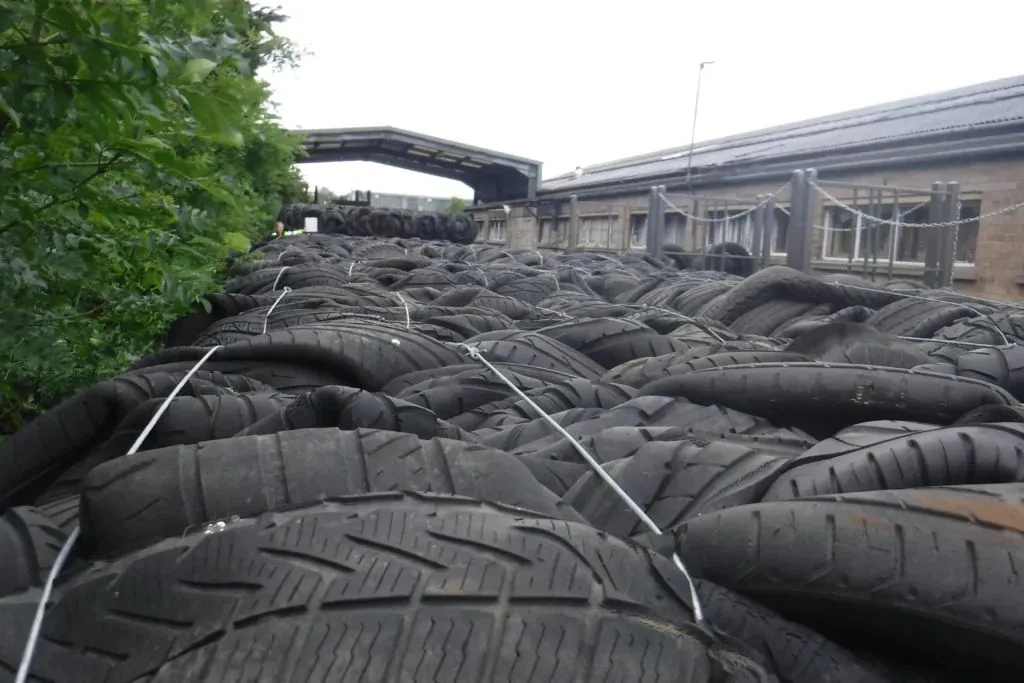
The UK Tyre Recovery Association (TRA) has called on the European Commission to avoid replicating UK regulatory loopholes as the EU updates its rules governing waste exports to non-OECD nations. Highlighting historic weaknesses in UK waste management oversight, British industry bodies have urged European authorities to refrain from allowing end-of-life tyres to be shipped to markets such as India without rigorous verification of processing standards.
The intervention underscores a growing debate across Europe regarding the enforcement of waste export controls. Industry representatives argue that permitting waste exports to destinations lacking equivalent environmental safeguards undermines domestic recycling capacity and creates unfair competition. In the UK, critics have long pointed to gaps in tracking mechanisms and insufficient enforcement, which have historically enabled low-cost, unverified overseas disposal at the expense of local infrastructure investment.
Why it matters
While the current dispute focuses on tyre recovery, the regulatory philosophy behind EU waste shipment amendments carries direct implications for all waste streams, including secondary polymers and packaging. European regulators are increasingly leaning towards tighter restrictions on outbound waste transfers to ensure exported materials undergo environmentally sound management. A stricter stance by Brussels could set higher benchmarks for documentation, duty of care, and receiving facility audits across international supply chains.
Implications for UK–Türkiye trade
For UK waste operators, packaging converters, and Turkish recyclers, this regulatory shift reinforces the necessity of bulletproof compliance and traceability. As European and British regulators align more closely with OECD-level environmental parity, exporters shipping waste plastics or rubber compounds to key trading partners like Türkiye must anticipate heightened scrutiny under Annex VII controls and national customs checks. Turkish reprocessors who maintain audited, high-standard recycling facilities stand to gain from tighter controls that weed out non-compliant traders, provided they can clearly demonstrate eco-equivalent operations.
Practical takeaway
Waste exporters and cross-border material traders should audit their supply chain documentation immediately. Establishing robust end-destination reporting and verifying that overseas reprocessors hold recognized environmental certifications will insulate businesses against impending regulatory tightening across both UK and European jurisdictions.