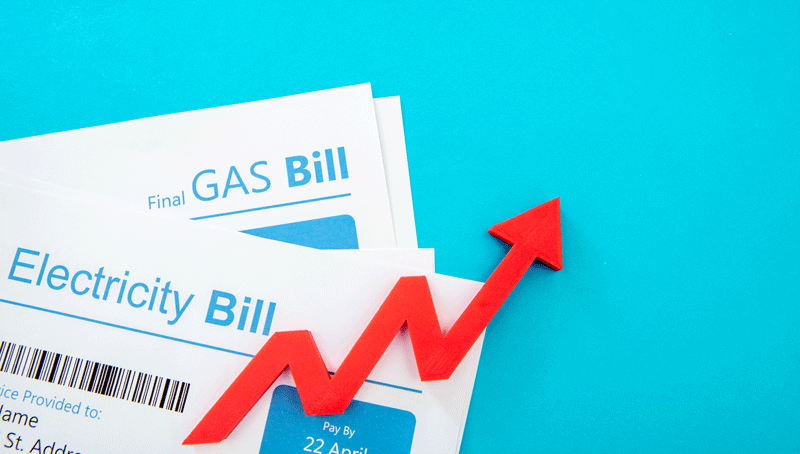
A cross-party parliamentary report has issued a warning regarding the UK’s climate trajectory, stating that public and industrial backing for net-zero targets is increasingly contingent on reducing energy bills. The report highlights that without tangible relief on energy tariffs, ambitious decarbonisation initiatives risk losing political momentum and commercial feasibility.
The parliamentary assessment underscores that high baseline energy prices pose a structural challenge for energy-intensive sectors across the economy. While the legal framework of net-zero legislation remains in place, high power tariffs threaten to outpace the immediate financial return of adopting low-carbon technologies. For industrial operations, sustained energy cost pressures complicate long-term capital expenditure decisions aimed at reducing Scope 1 and Scope 2 emissions.
For waste management operators, plastics reprocessors, and recycling facilities, this national policy debate bears direct operational consequences. Mechanical recycling processes—such as washing, shredding, and extruding polymers like rPET, HDPE, and PP—are energy-intensive. Sustained electricity costs in the UK inflate processing overheads, making locally reprocessed polymers less price-competitive against virgin resins. For UK waste companies and Turkish recyclers observing cross-border trade flows, energy-driven price inflation narrows processing margins and risks delaying investments in facility decarbonisation. Additionally, delayed energy reforms complicate corporate carbon reporting, as high utility expenses limit the budget available for upgrading to higher-efficiency processing equipment.
Practical Takeaway
Recycling operators and waste handlers should conduct thorough energy efficiency audits on heavy machinery and explore on-site renewable generation, such as solar installation or power purchase agreements (PPAs), to insulate operational margins against grid tariff volatility and maintain compliance with corporate carbon reduction goals.