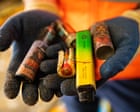
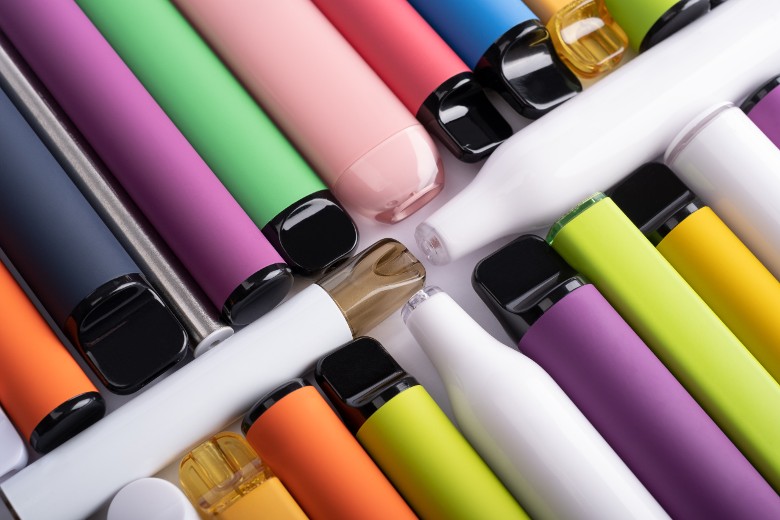
Lithium-ion batteries wrongly discarded in household waste streams, particularly from disposable vapes, are causing more than ten fires a week at UK recycling centres. According to recent figures, this growing hazard has escalated into a systemic crisis, costing the UK waste and recycling sector an estimated £1 billion annually in damages, operational disruptions, and soaring insurance premiums.
The issue stems from the rapid rise of single-use electronic devices. When crushed in collection vehicles or sorting facilities, these batteries puncture, leading to thermal runaway and intense, difficult-to-extinguish fires. Beyond the immediate threat to life and infrastructure, these incidents frequently force facilities to halt operations, disrupting the supply of sorted polymers to downstream processors.
Why It Matters to Our Readers
For UK waste companies and Turkish recyclers alike, this crisis directly impacts the stability of the secondary raw materials market. UK waste management firms face escalating operational costs and stricter insurance requirements, which squeeze margins and threaten the financial viability of sorting plants. For Turkish recyclers relying on imported UK plastic scrap, these fires pose a double risk: they disrupt the consistency of supply chains and increase the likelihood of material contamination. Melted plastic and ash from localized fires degrade the quality of baled polymers, making it harder to meet the strict purity standards required for high-grade recycling and circular economy compliance.
Practical Takeaway
UK waste operators must urgently review their incoming feedstock inspection protocols and invest in advanced thermal detection systems to intercept battery-containing devices before they enter shredders or balers. At the same time, packaging converters and brand owners should prepare for tighter Extended Producer Responsibility (EPR) regulations targeting electronics, ensuring that future product designs facilitate easier battery removal to keep hazardous materials out of the plastic recycling stream entirely.