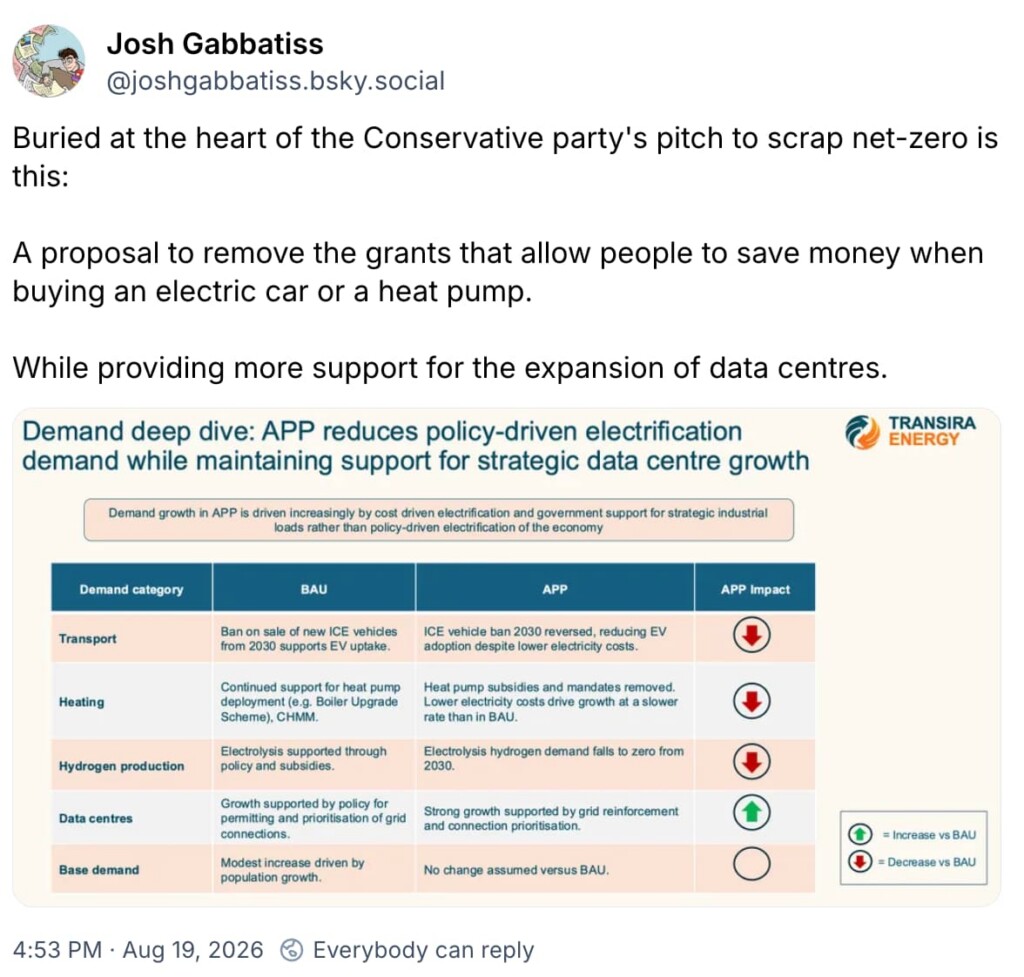
A recent analysis by Carbon Brief has challenged claims made in an opposition Conservative party report regarding the UK's electricity pricing and net-zero transition. The political debate centres on whether rapid decarbonisation of the national grid is driving up industrial energy bills or if fossil fuel volatility remains the primary driver of high costs.
For energy-intensive sectors like plastics recycling and polymer processing, electricity is one of the largest operational overheads. The UK has historically faced higher industrial electricity prices than many of its European competitors. The ongoing debate over grid transmission charges, renewable subsidies, and gas generation capacity directly influences long-term investment decisions for UK waste management and reprocessing infrastructure. If policy shifts fail to deliver cheaper power, UK-based recyclers will struggle to compete on price with international markets.
For UK waste companies and packaging converters, understanding the trajectory of domestic energy costs is vital for calculating the processing costs of recycled polymers like rPET and HDPE. High UK energy prices squeeze margins, making imported recycled resins from regions with different energy dynamics, such as Türkiye, more financially attractive. Conversely, for Turkish recyclers exporting to the UK, the carbon intensity of the UK grid versus the Turkish grid will increasingly factor into Scope 3 emissions reporting for multinational packaging brands looking to minimise their carbon footprint.
As a practical takeaway, UK operators should not expect immediate relief from high electricity tariffs based on political promises of quick fixes. Instead, businesses should focus on improving energy efficiency, exploring on-site renewable generation—such as solar PV installations—and securing long-term power purchase agreements to hedge against ongoing grid price volatility.