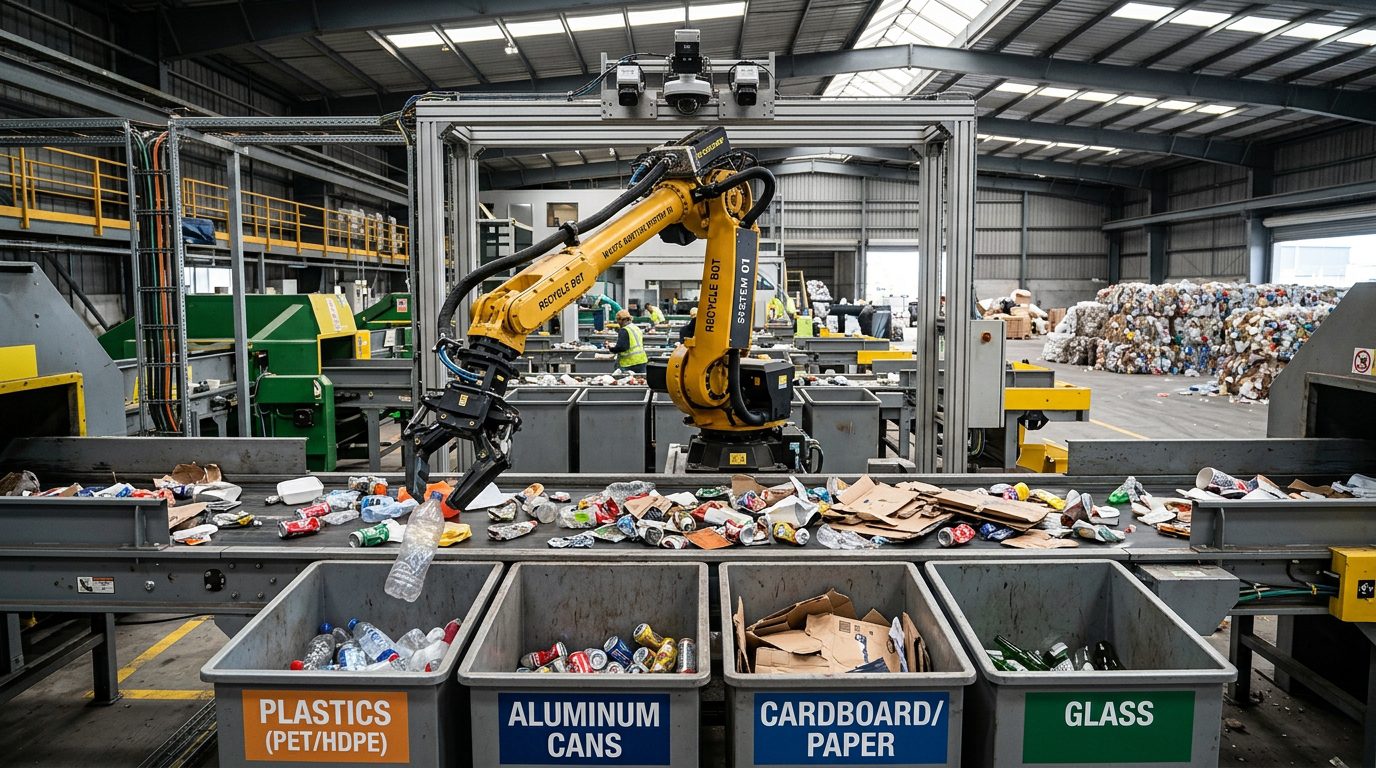
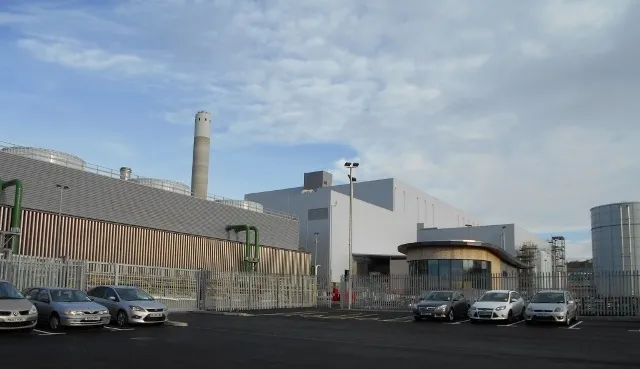
The Environment Agency (EA) has issued an updated environmental permit to Berkswell Recycling Limited for its operations at Berkswell Quarry in Coventry. The permit, referenced under EPR/DB3508MA/V009, was determined in accordance with the Industrial Emissions Directive (IED), reflecting the UK’s ongoing commitment to stringent industrial pollution controls.
While Berkswell Quarry primarily manages mineral and aggregate recycling, the issuance of this permit highlights a wider regulatory trend that directly impacts the broader waste and recycling sector. The IED framework sets demanding standards for emissions, energy efficiency, and waste management, forcing operators to adopt Best Available Techniques (BAT) to minimise their environmental footprint.
For UK waste companies and plastics recyclers, this development serves as a reminder of the escalating regulatory expectations surrounding site installations. Obtaining or varying an environmental permit in the current climate requires extensive documentation, robust emissions monitoring, and clear proof of environmental protection measures. These requirements inevitably drive up administrative and operational compliance costs for UK processors.
For Turkish recyclers relying on UK-sourced polymer feedstocks, these domestic regulatory pressures are highly relevant. As UK waste sites face tighter environmental controls and higher compliance costs, the domestic processing landscape becomes more expensive. This can influence the availability, sorting quality, and pricing of exported plastic scrap, as UK exporters seek to recoup compliance overheads.
The practical takeaway for waste operators is the necessity of proactive compliance management. Companies should regularly review their operational permits and emissions data against evolving BAT standards. Waiting for an EA audit or a permit variation request to address compliance gaps risks costly operational delays and potential enforcement action.