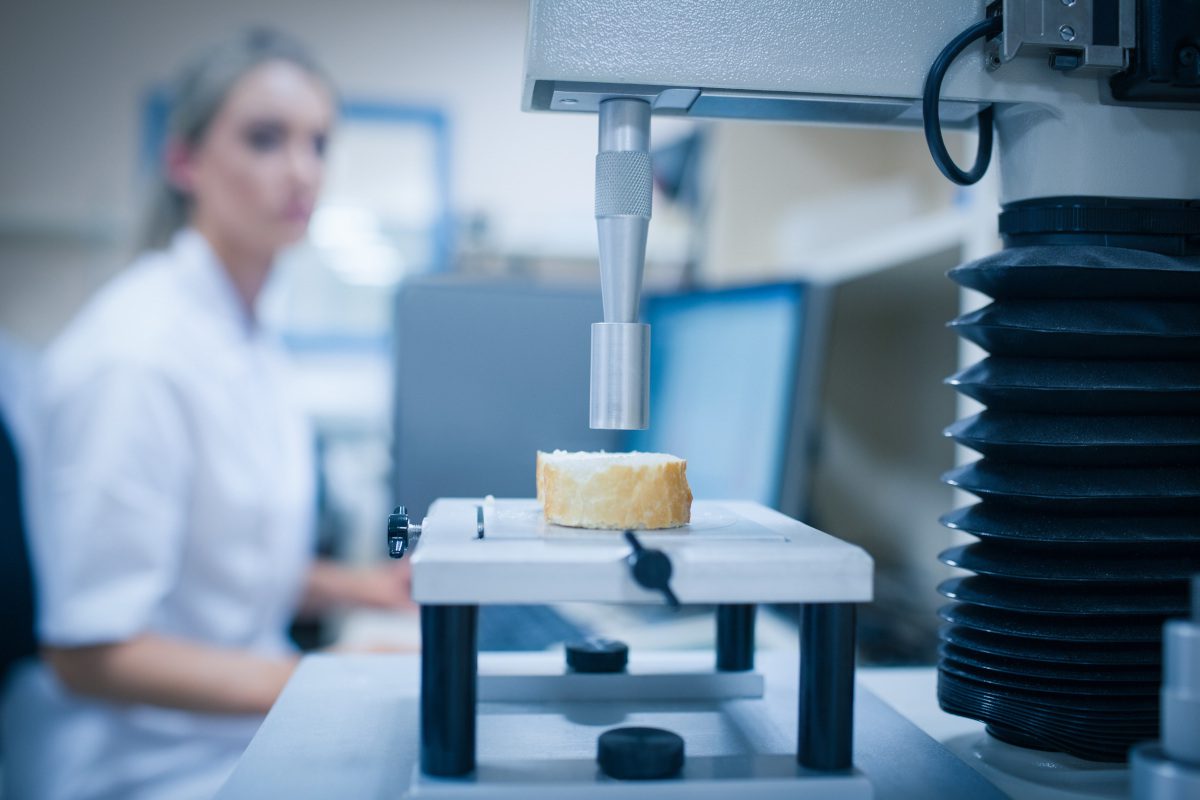
Edinburgh-based C-Source Renewables has initiated a collaborative research project with the University of Edinburgh to investigate the conversion of surplus bread into industrial chemicals. By extracting refined sugars from discarded bakery waste, the initiative aims to produce sustainable biochemical feedstocks suitable for manufacturing everyday industrial and consumer goods.
Food waste remains one of the largest organic waste streams in the United Kingdom, with commercial bakeries and retail distribution networks generating substantial volumes of unsellable product. Traditional end-of-life routes for stale bread typically involve anaerobic digestion, low-value animal feed, or energy recovery through incineration. Transforming these complex carbohydrates into platform chemicals offers a higher-value circular alternative, helping reduce industrial reliance on virgin petrochemical building blocks. As manufacturing sectors face increasing pressure to lower supply chain carbon intensity, bioprocesses that utilise secondary organic waste rather than land-intensive primary crops are attracting investment.
For waste management companies, material recovery facilities, and industrial sustainability officers, advanced valorisation technologies represent an evolving frontier in cross-sector circularity. While mechanical and chemical polymer recyclers operate predominantly in synthetic material loops, developments in biochemical conversion directly influence broader environmental compliance and Scope 3 emissions reporting. As biochemical platforms scale, organic waste fractions previously designated for basic disposal or low-grade recovery may yield higher carbon offset values, impacting site-level waste management plans, landfill diversion metrics, and corporate carbon intensity calculations.
Practical Takeaway: Environmental managers and waste contractors should track developments in bio-chemical feedstock diversion. Monitoring how organic bypass streams are valorised will help waste producers refine Scope 3 accounting and prepare for tighter legislative controls on commercial organic waste disposal.