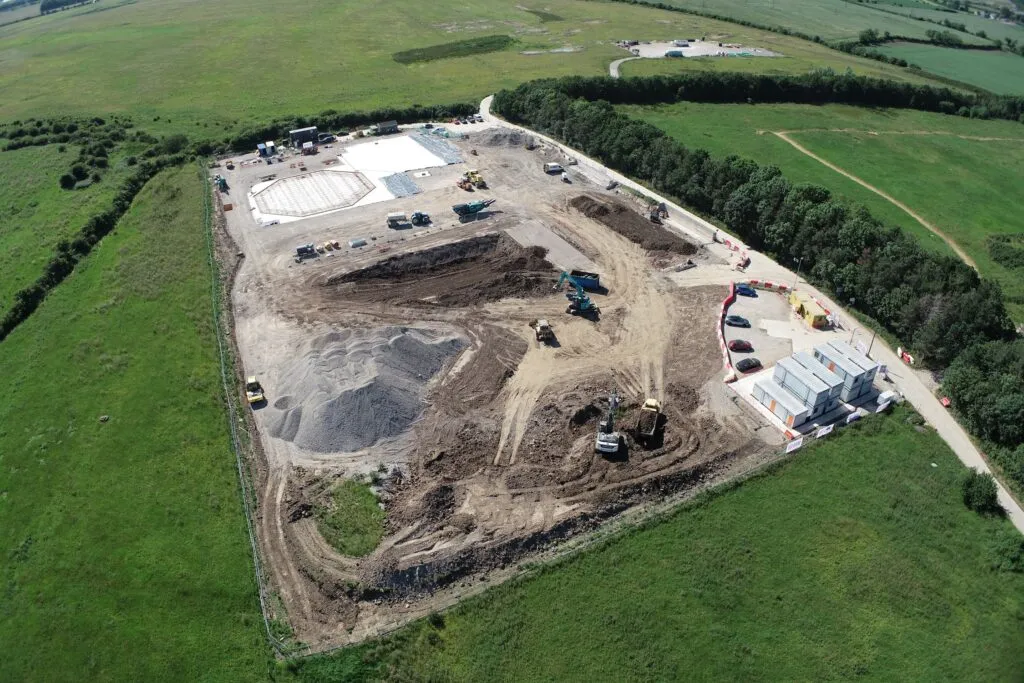
SUEZ has officially commenced construction on a new anaerobic digestion (AD) facility in the UK, designed to expand regional capacity for handling food waste collections. Crucially, the waste management operator is embedding circular construction principles into the build phase itself, aiming to minimise raw material consumption and lower embodied carbon throughout the site's development.
The project arrives as UK local authorities prepare for upcoming regulatory mandates requiring separate household food waste collections under broader waste reform measures. By expanding regional AD infrastructure, the industry is preparing to handle substantially higher volumes of organic waste diverted from landfill and thermal treatment. However, SUEZ's decision to apply circular design concepts to the plant's actual build underscores an evolving focus on full lifecycle sustainability across waste management assets.
Why it matters
For the broader recycling and waste management industry, integrating circularity into facility construction marks a shift toward comprehensive carbon accounting. As national policies place greater weight on emissions across the entire value chain, the environmental footprint of build materials and civil engineering works is drawing increased scrutiny. Infrastructure projects are beginning to evaluate recycled content, structural reusability, and material traceability alongside operational performance.
Relevance for recyclers and compliance
For UK recycling operators and trade partners following corporate climate benchmarks, this development highlights the trajectory of environmental compliance and carbon reporting. Standardisation in Scope 3 emissions measurement means waste operators will increasingly be judged not only on the material volumes they process, but also on the embodied carbon of their processing facilities.
Recyclers seeking to secure long-term municipal or commercial contracts should expect client tender frameworks to incorporate strict site-sustainability criteria. Furthermore, as civil engineering projects adopt circular procurement strategies, opportunity opens for secondary materials—including recycled plastic compounds used in drainage, ducting, and site infrastructure—to find wider industrial applications.
Practical takeaway
Waste and recycling management teams planning capital expenditure should incorporate embodied carbon metrics into their procurement protocols. Requesting secondary material usage and lifecycle carbon assessments from construction contractors will help operators comply with tightening UK carbon reporting expectations.