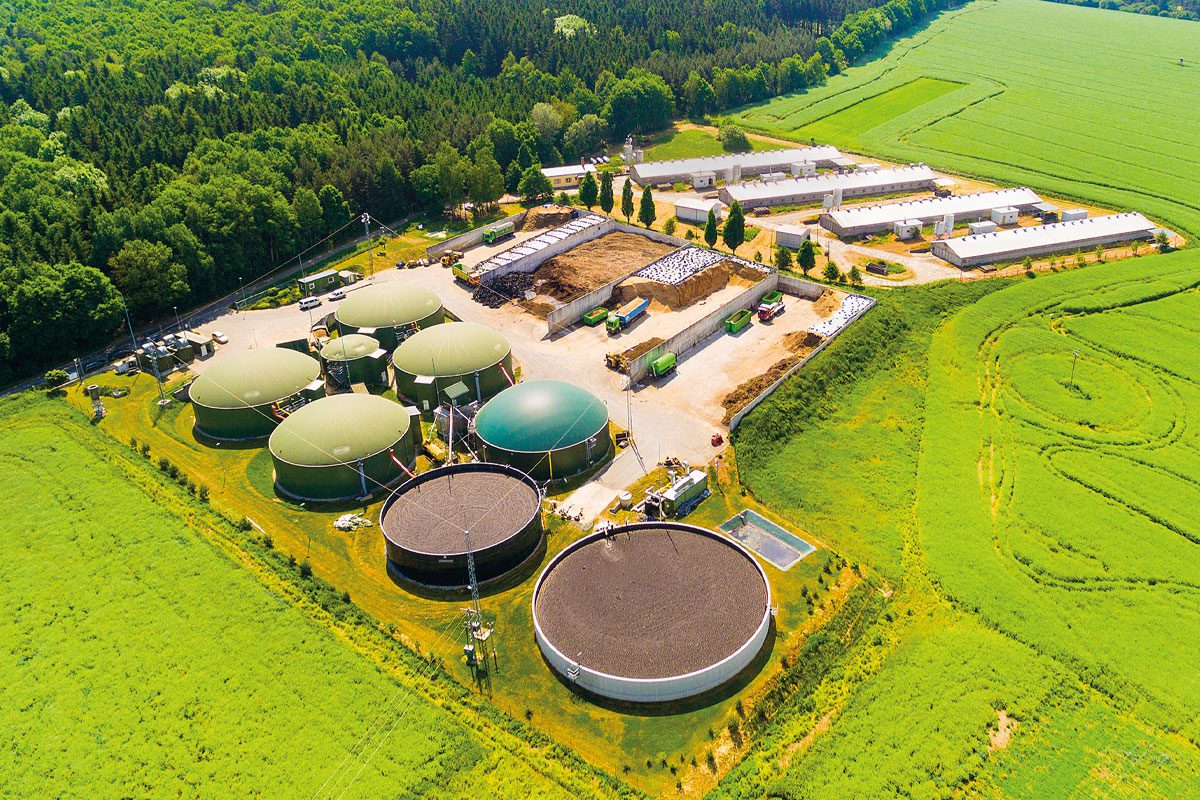
The UK Environment Agency has officially issued an updated environmental permit (reference EPR/QP3237SC/V004) for the Stewartby Waste Management Facility in Bedfordshire. Issued under the framework of the Industrial Emissions Directive (IED), the notice marks the completion of the regulatory review process for the site's ongoing operational controls and environmental oversight.
Permitting decisions managed under the Industrial Emissions Directive mandate rigorous standards governing atmospheric emissions, effluent discharges, and waste storage protocols. For large-scale waste treatment facilities in the UK, adhering to these permits requires continuous implementation of Best Available Techniques (BAT). As the Environment Agency systematically updates facility permits across the country, waste management operators face increased scrutiny regarding monitoring compliance, carbon emissions reduction, and site mitigation practices.
For UK waste managers, packaging converters, and Turkish recyclers connected through international material streams, domestic permitting standards form the bedrock of supply chain compliance. Turkish recycling facilities sourcing secondary plastic polymers or processed waste from the UK rely heavily on upstream waste sites maintaining robust environmental credentials. Fully permitted UK facilities ensure that exported materials undergo proper sorting and pre-treatment, lowering the risk of regulatory friction during cross-border transfers under UK export controls and Annex VII shipping requirements. Furthermore, robust environmental permits provide Turkish buyers with verifiable ESG data to satisfy growing carbon auditing demands from European downstream brand owners.
Practical takeaway: Waste operators across the UK should audit their existing operating procedures against updated IED permit conditions and BAT benchmarks to avoid compliance breaches during EA inspections. Cross-border polymer traders and Turkish recyclers should periodically review the permit status of their UK suppliers to safeguard feedstock integrity and regulatory compliance.