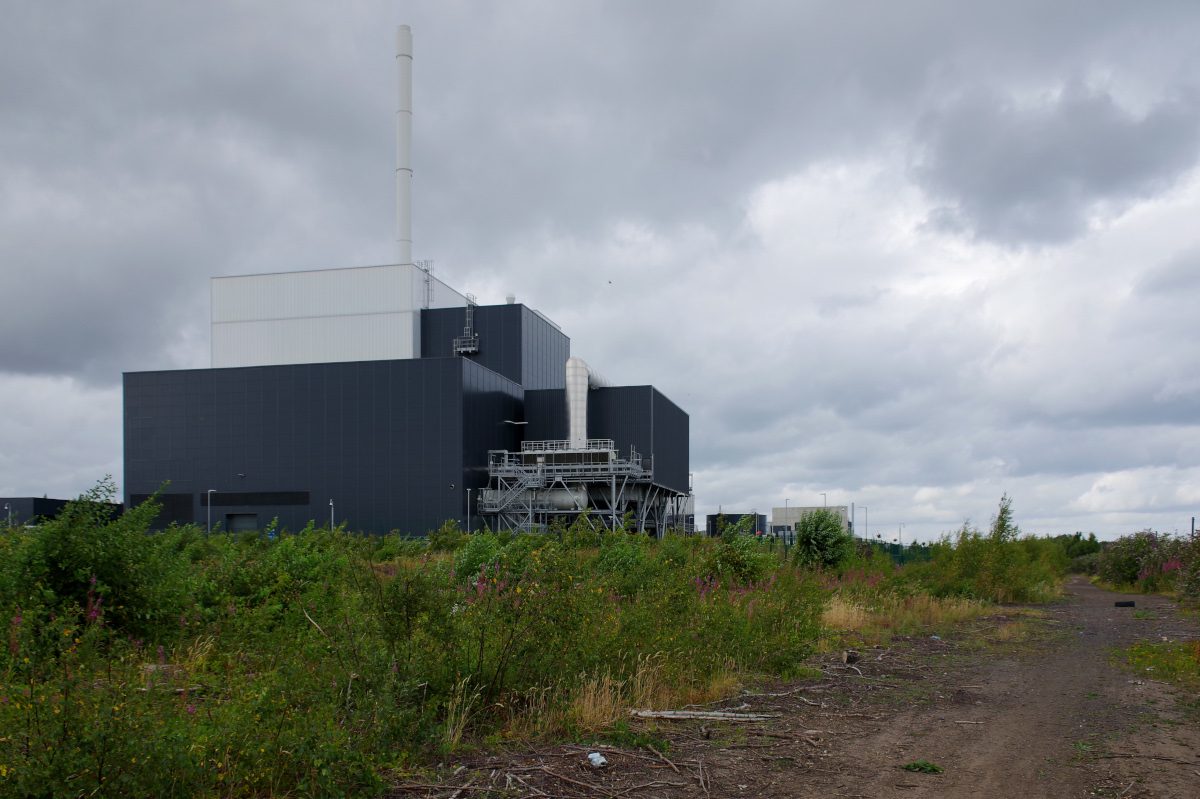
A fresh assessment of Scotland's energy-from-waste (EfW) infrastructure has concluded that the nation is not heading towards substantial overcapacity. The study, conducted by SLR Consulting on behalf of Zero Waste Scotland, analysed current operational plants alongside pipeline developments to evaluate whether thermal treatment capacity aligns with residual waste reduction targets.
While the findings alleviate concerns that excessive incineration capacity would disincentivise mechanical recycling and separate collection schemes, the report highlights a key operational vulnerability. Scotland holds limited contingency capacity during scheduled or unexpected facility outages, which could place short-term pressure on local waste management networks and temporary storage sites.
Implications for waste managers and recyclers
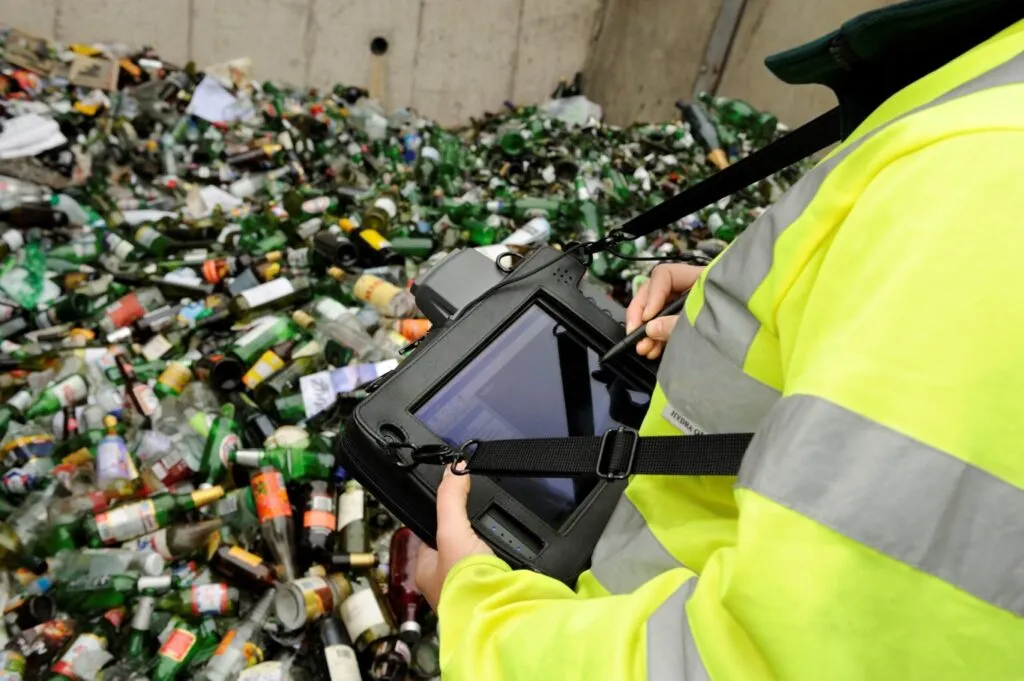
For UK waste management companies, packaging converters, and plastic recyclers, the balance of domestic incineration capacity directly influences feedstock dynamics and treatment gate fees. A balanced EfW landscape prevents a collapse in incineration gate fees, which helps preserve the commercial rationale for extracting rigid plastics, films, and other recyclable fractions prior to thermal disposal.
However, the lack of operational headroom during maintenance shutdowns carries real risks for sorting facilities and material recovery operations. When local incinerators halt intake, residual streams back up, often creating logistical bottlenecks at transfer stations and recycling hubs. Furthermore, with the planned inclusion of EfW within the UK Emissions Trading Scheme (UK ETS) approaching, managing fossil-carbon-heavy plastic waste out of the residual stream becomes increasingly vital for cost containment and carbon accounting.
Practical takeaway
UK waste operators and sorting facilities should review their contingency off-take contracts. Ensuring diversified downstream outlets—including secondary sorting arrangements for mixed plastics and flexible off-take agreements for refuse-derived fuels (RDF)—will mitigate compliance disruptions and gate fee spikes when domestic thermal treatment plants undergo scheduled maintenance.