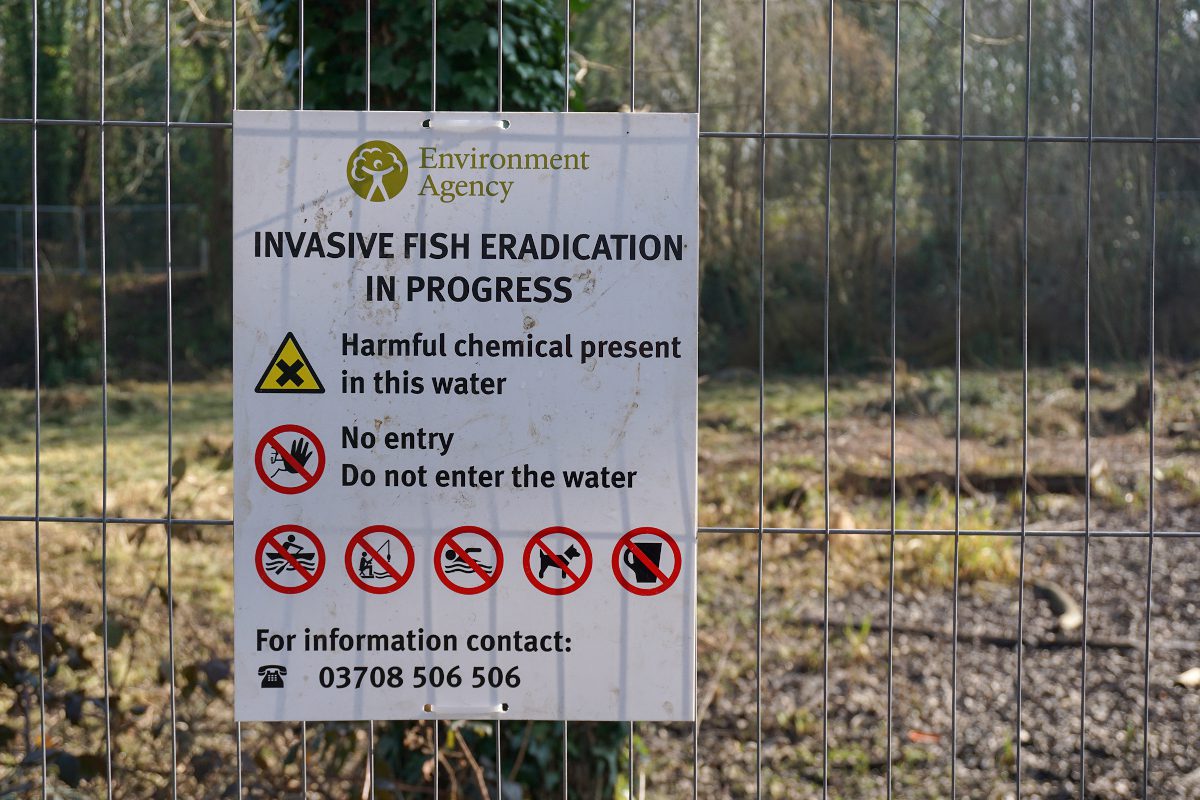
A pilot scheme by Thames Water designed to combat drought by recycling treated effluent into the River Thames has revealed a significant environmental hurdle, with levels of per- and polyfluoroalkyl substances (PFAS) rising to 13 times the legal limit during trials. The project, which aims to draw millions of litres of water daily and replace it with treated sewage, has drawn sharp criticism as the trial data directly contradicts previous assurances regarding river safety.
PFAS, widely known as "forever chemicals" due to their environmental persistence, are under intense regulatory scrutiny across Europe. This incident highlights the immense difficulty of removing persistent chemical contaminants from circular systems. As water scarcity drives municipal utilities to recycle effluent, the concentration of industrial and consumer chemical residues is emerging as a critical bottleneck for environmental managers.
For UK waste management firms and Turkish plastic recyclers, this development signals an inevitable tightening of environmental permits and discharge consents. Plastic recycling is a highly water-intensive process, relying on extensive washing stages to clean post-consumer polymers. If municipal water sources or local rivers face stricter PFAS thresholds, recycling facilities will face escalating operational costs to monitor, filter, and treat their own wash-water effluent before discharge.
Furthermore, as the EU and UK move closer to comprehensive restrictions on PFAS in packaging materials, recyclers must ensure their feedstock is free from these substances. Contaminated wash-water risks transferring trace chemicals onto recycled polymers, potentially jeopardising their use in high-value applications.
Practical Takeaway: Waste processors and recyclers should proactively audit their water treatment systems and prepare for more stringent testing regimes. Investing in advanced filtration technologies, such as activated carbon or reverse osmosis, will help mitigate future compliance risks as PFAS regulations tighten across the UK and Europe.