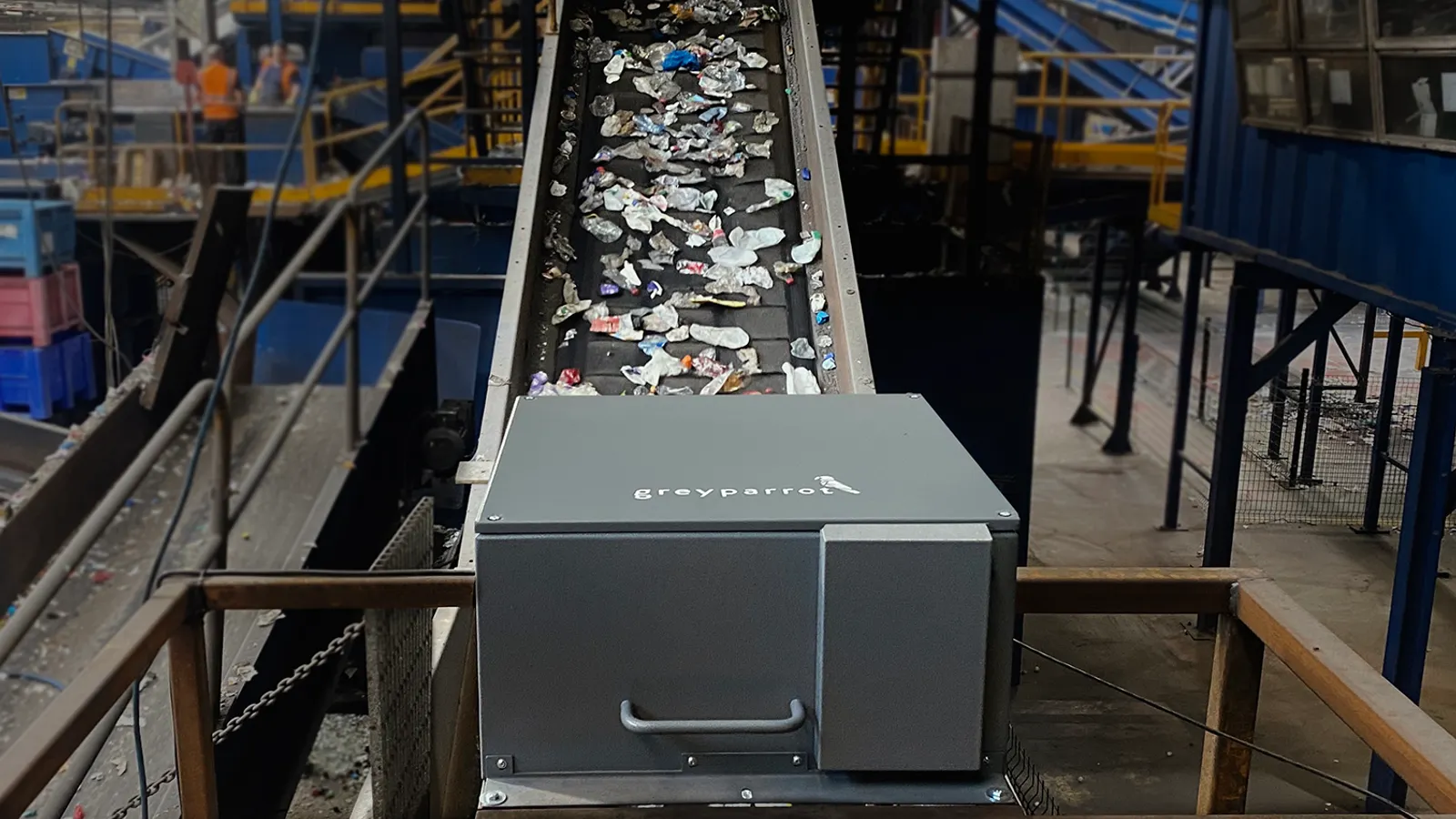
A pilot project in the United States has demonstrated how artificial intelligence can drastically reduce the volume of valuable materials lost to landfill. Waste analytics firm Greyparrot, in collaboration with Circular Services, deployed AI monitoring technology at the Sunset Park Material Recovery Facility in New York. The initial findings revealed that 89% of the aluminium currently entering the facility's residual waste stream is entirely recoverable.
While this specific pilot focused on metal recovery, the implications for the global plastics recycling sector are profound. Greyparrot’s computer vision system analyses waste streams in real-time, identifying, categorising, and quantifying materials as they move along conveyor belts. For plastic packaging converters and recyclers, this level of granular data represents a shift from reactive quality control to proactive process optimisation.
For UK waste management companies and Turkish recyclers, this technology addresses a critical pain point: bale quality and contamination. Under increasingly strict UK export regulations and Türkiye’s rigorous import controls, the tolerance for non-target materials in polymer shipments is virtually zero. UK exporters who implement AI-driven analytics can continuously monitor the purity of their HDPE, PP, or PET bales. This ensures compliance with Annex VII shipping requirements and minimises the risk of costly customs rejections at Turkish ports.
Conversely, Turkish processors can leverage similar automated data to verify the quality of incoming feedstocks. In an era where brand owners demand high-quality, food-contact grade recycled polymers, having verifiable, machine-read purity data is becoming a key competitive advantage.
The practical takeaway for operators is clear: automated waste analytics are no longer a futuristic concept but a modern operational necessity. To safeguard export routes and secure premium prices, UK suppliers must transition from manual spot-checks to continuous, AI-verified quality assurance.