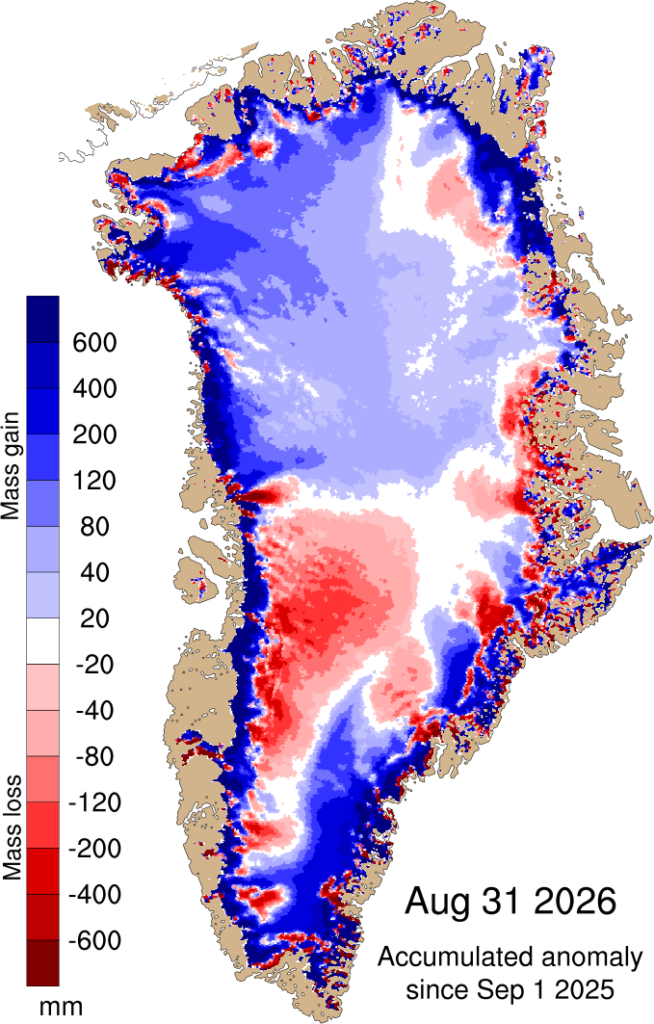
Recent climate monitoring data published by Carbon Brief confirms that the Greenland ice sheet has experienced its thirtieth consecutive year of net ice loss. Over the latest twelve-month tracking period, surface melting and iceberg calving continued to outpace snowfall accumulation, extending a three-decade trend of volume reduction. This ongoing loss highlights the persistent trajectory of global warming and its broader influence on global weather patterns and ocean levels.
While polar glaciology may appear removed from routine industrial operations, high-altitude climate indicators directly influence international environmental policy and corporate reporting mandates. The unabated loss of polar ice reinforces the political drive behind stringent decarbonisation frameworks across the European Union, the United Kingdom, and Türkiye. Macro climate signals translate into regulatory pressure, accelerating the adoption of legislation such as the EU Carbon Border Adjustment Mechanism (CBAM), national Net Zero targets, and mandatory corporate sustainability disclosures.
For UK waste management companies, packaging converters, and Turkish reprocessors, these long-term climate pressures mean that carbon compliance is becoming as critical as material specification. Secondary polymers—such as rPET, HDPE, and PP—naturally offer substantial carbon savings over fossil-based virgin resins. However, as global climate accountability tightens, brand owners and regulators are demanding audited evidence of these savings. Facilities across the UK–Türkiye corridor must prepare for deeper scrutiny regarding the energy intensity of their sorting, washing, and extrusion processes. Relying on generic emission factors rather than facility-specific data will increasingly present a commercial risk.
The practical takeaway for recycling operators and material traders is to establish rigorous, third-party verified Life Cycle Assessments (LCAs) for all recycled resin grades. Documenting exact energy consumption per tonne processed enables reprocessors to prove genuine carbon reductions, securing their position in European supply chains driven by decarbonisation targets.