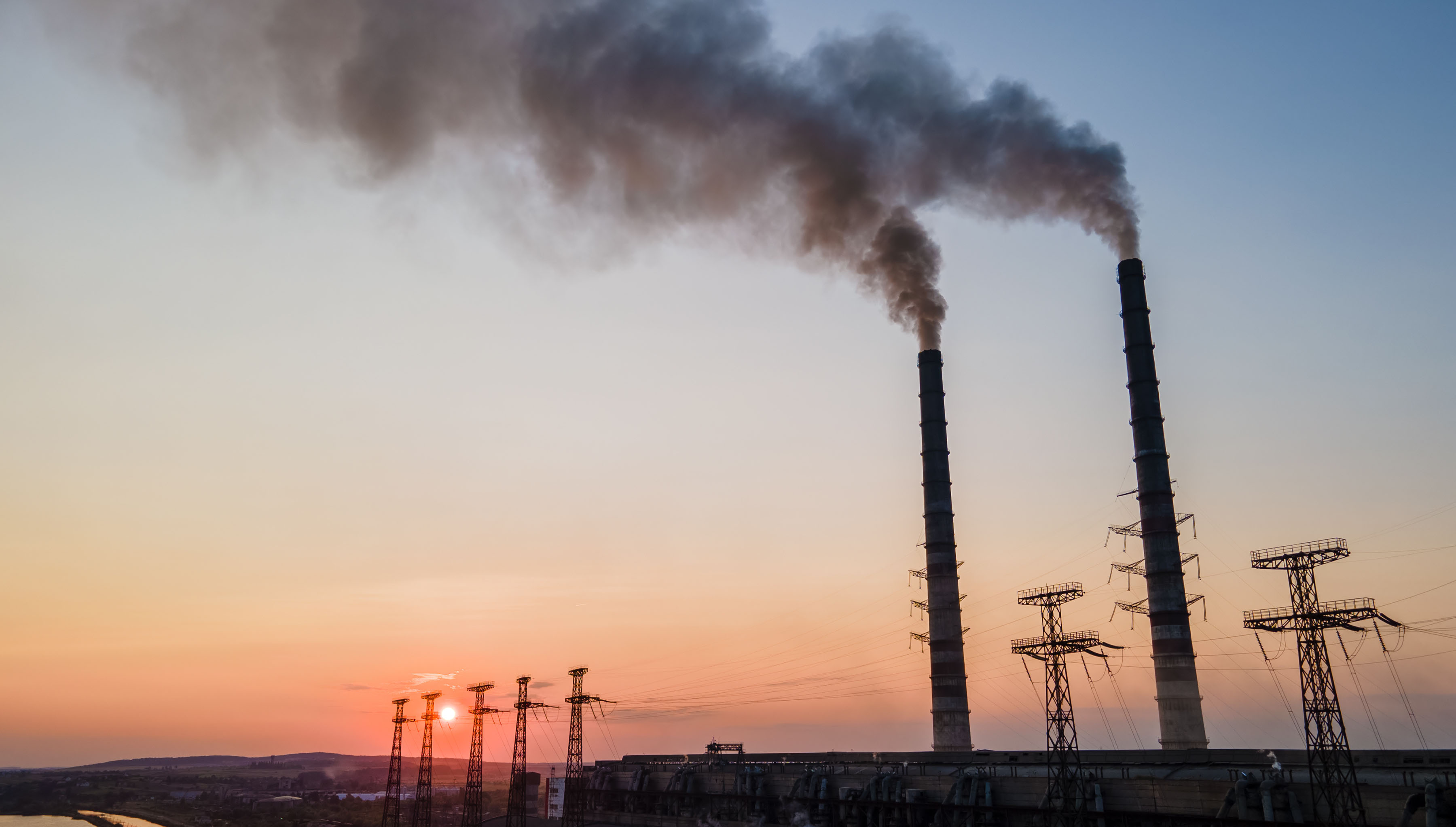
Record-breaking wildfires in France's Gironde region have destroyed unprecedented areas of forest, displaced thousands of residents, and generated severe air pollution. The intensity of these blazes has been linked to historical land-use decisions—specifically a mid-19th-century monoculture pine plantation scheme—compounded by modern global heating. The resulting smoke has choked cities hundreds of kilometres away, highlighting the growing severity of climate-induced disasters in Europe.
This environmental crisis is a stark reminder of the accelerating physical impacts of climate change. Beyond the immediate ecological and human tragedy, such events intensify the political pressure on European governments to accelerate decarbonisation. This translates directly into more aggressive climate policies, stricter emissions targets, and a faster transition toward circular economy models to mitigate resource depletion and environmental degradation.
For UK waste management firms and Turkish recyclers, these escalating climate crises directly influence the regulatory and commercial landscape. As the EU and UK tighten their environmental frameworks in response to climate emergencies, recyclers must prepare for more stringent Scope 1, 2, and 3 emissions reporting. Turkish exporters selling recycled polymers into the European market will face closer scrutiny under carbon-related policies, making low-carbon processing a critical competitive advantage. Furthermore, supply chain disruptions caused by extreme weather events underscore the need for climate-resilient logistics.
The practical takeaway for the sector is the urgent need to audit and reduce operational carbon footprints. Recyclers and packaging converters should proactively invest in energy-efficient machinery and renewable energy sourcing. Doing so will not only mitigate environmental impact but also safeguard businesses against future carbon taxation and tightening import regulations across Europe.