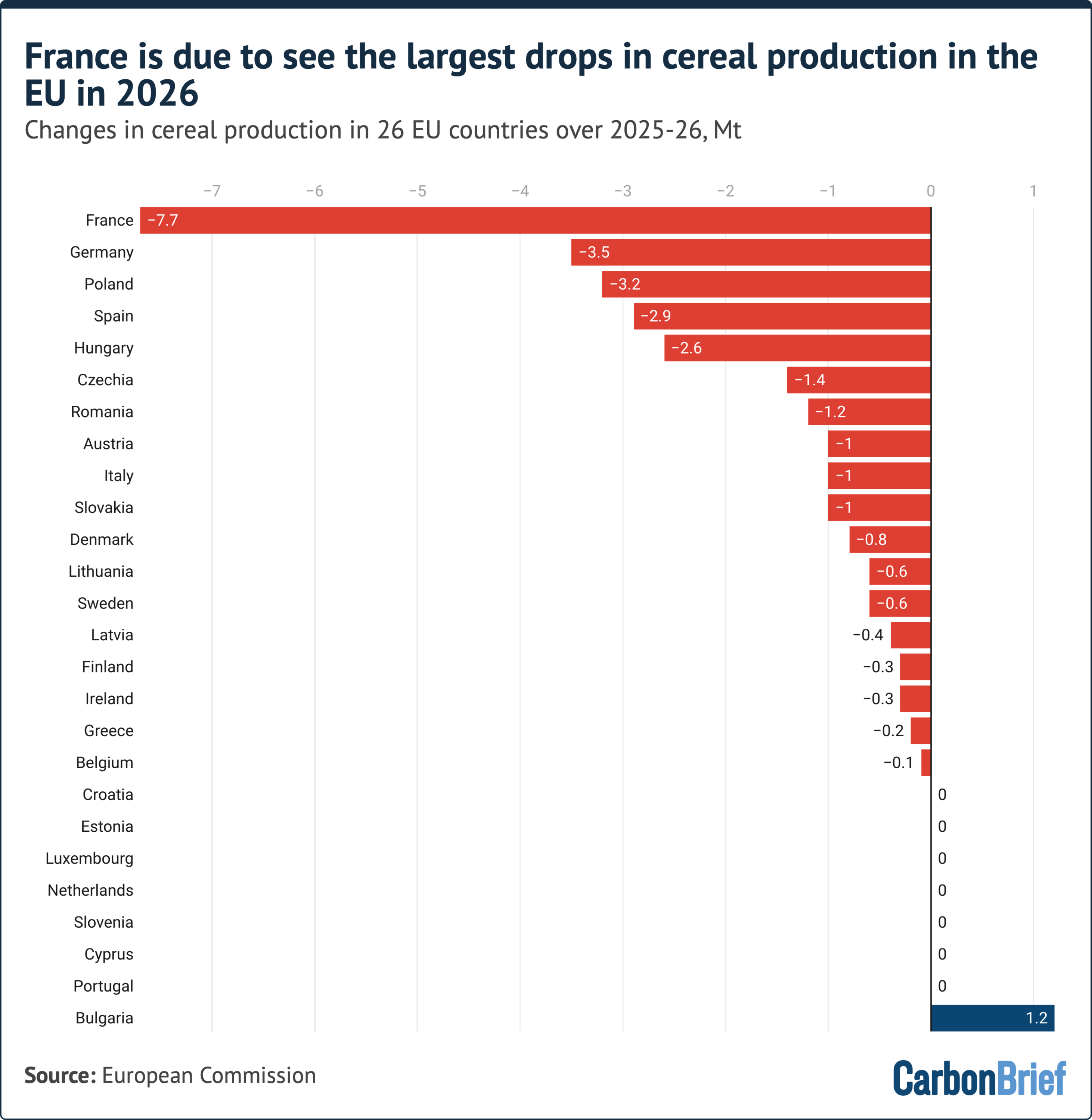
A recent analysis by Carbon Brief detailing the severe impact of summer heatwaves and droughts on European agriculture serves as a stark reminder of the accelerating physical risks of climate change. While the immediate focus of the report is on crop yields and food security, the underlying meteorological trends present direct operational challenges for the plastics recycling and packaging sectors across the UK, Europe, and Türkiye.
Extreme weather events, including prolonged droughts and record-breaking temperatures, are no longer isolated incidents. For industrial sectors, these conditions translate into resource scarcity, volatile energy prices, and disrupted logistics. In particular, the plastics recycling industry relies heavily on stable utility supplies to process post-consumer materials into high-quality PCR (post-consumer recycled) resins.
Why this matters for UK–Türkiye supply chains
For Turkish recyclers, who process significant volumes of UK-sourced polymer waste, climate-induced water scarcity is a looming operational threat. The washing and separation phases of plastics recycling are highly water-intensive. As the Mediterranean basin faces increasing water stress, local authorities may restrict industrial water usage or increase tariffs, directly inflating processing costs.
Meanwhile, UK packaging converters and waste managers are under pressure to meet stringent ESG (environmental, social, and governance) targets. Disruptions in Turkish recycling hubs due to resource shortages could bottleneck the supply of rPET, HDPE, and PP, hindering UK companies from meeting their recycled content mandates. Furthermore, as corporate carbon reporting becomes more rigorous, businesses must account for the climate resilience of their overseas partners.
The practical takeaway
To mitigate these risks, Turkish recycling facilities must prioritise investment in closed-loop water recycling and advanced effluent treatment systems to minimise freshwater consumption. Simultaneously, UK procurement teams should conduct thorough climate-risk audits of their supply chains, ensuring that their polymer suppliers have robust business continuity plans to withstand extreme weather events.