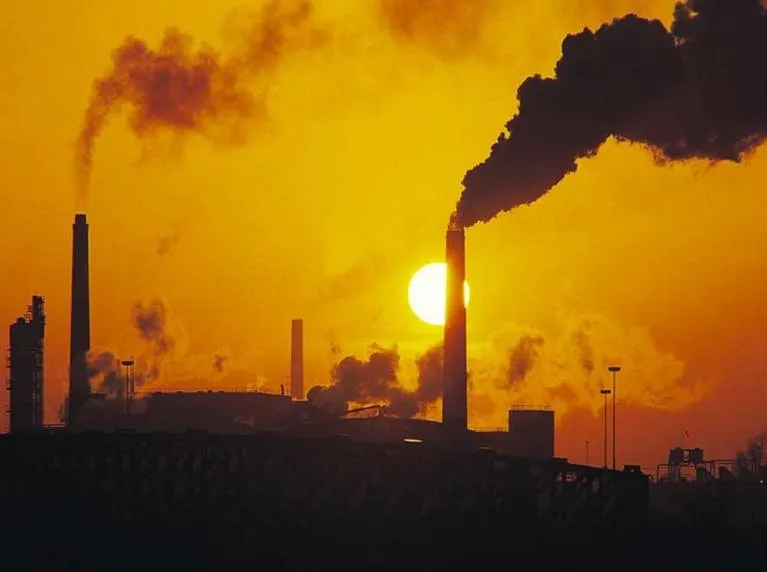
A comprehensive research report published by Eunomia Research & Consulting Ltd in collaboration with the Shape Foundation indicates that adopting zero waste practices across global material supply chains could eliminate 149 gigatonnes of carbon dioxide equivalent emissions by 2050. The study underscores how restructuring material consumption, expanding reuse systems, and scaling up recycling infrastructure serve as critical mechanisms for long-term global climate mitigation.
The findings highlight a fundamental shift in how environmental policy evaluates material life cycles. For decades, decarbonisation strategies have focused heavily on energy transitions and transport electrification. However, raw material extraction, processing, and waste disposal account for a major share of global industrial greenhouse gas output. By embedding zero waste frameworks into industrial supply chains, manufacturing sectors can capture substantial upstream energy savings while mitigating waste-related methane generation. As international regulatory bodies expand corporate sustainability benchmarks, material circularity is transitioning from a secondary environmental goal into a primary lever for carbon reduction.
For UK waste management firms, packaging converters, and Turkish polymer reprocessors, this research underlines the growing importance of precise carbon accounting and Scope 3 footprint verification. Supply chains connecting the UK, EU, and Türkiye are subject to increasingly stringent climate disclosure rules. Recyclers and traders will face stricter requests from downstream brand owners for verified life-cycle assessment data detailing the embodied carbon of secondary raw materials. Resellers and processors that can explicitly demonstrate significant carbon offsets compared to virgin polymers will gain a distinct commercial edge in contract negotiations.
Practical Takeaway: Waste contractors and plastic reprocessors should implement standardized carbon tracking tools across their operational workflows. Collecting auditable data on transport, processing energy, and material substitution will help satisfy incoming corporate sustainability reporting requirements across Europe.