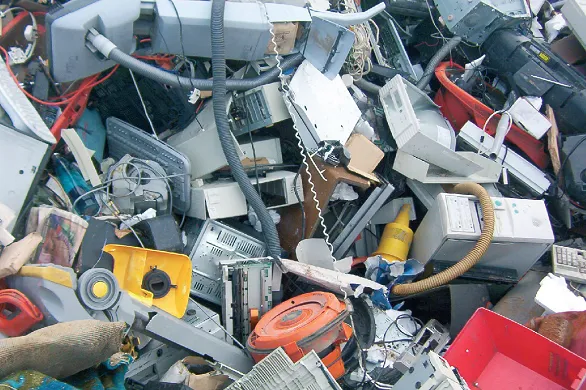
Latest statistics published by Eurostat indicate a continued upward trajectory in collection rates for Waste Electrical and Electronic Equipment (WEEE) across European Member States. Alongside the official figures, research conducted by the WEEE Forum highlights a sharp increase in "fast tech"—low-cost, disposable electronic devices such as novelty gadgets, mini-fans, e-cigarettes, and single-use cables—which is accelerating the overall growth of the e-waste stream.
WEEE represents one of the fastest-growing waste streams in Europe, containing valuable technical polymers alongside metals and circuit components. While improved collection metrics reflect better municipal infrastructure and heightened public engagement, the shift towards fast tech creates new processing obstacles. Small electronic devices often feature integrated designs, making the automated separation of technical resins like Polypropylene (PP), Acrylonitrile Butadiene Styrene (ABS), and High Impact Polystyrene (HIPS) increasingly complex.
For UK waste management firms and Turkish plastics recyclers, these evolving collection dynamics have clear implications for environmental compliance, feedstocks, and carbon accounting. As regulatory frameworks around chemical safety tighten across Europe, reprocessors handling plastics derived from electrical waste must maintain rigorous testing for persistent organic pollutants (POPs) and legacy flame retardants. Turkish recyclers importing shredded or pre-sorted polymer fractions from European sources need to ensure strict chain-of-custody documentation to satisfy import regulations. Moreover, as manufacturing clients demand greater transparency over Scope 3 supply chain emissions, demonstrating clean, traceable recovery of technical polymers from WEEE will provide a distinct competitive advantage in sustainability reporting.
Practical Takeaway: Waste collectors and polymer reprocessors should review their pre-sorting mechanisms and analytical testing protocols for small electronics streams. Upgrading sensor-based sorting capabilities for technical plastics like PP and ABS will help recyclers capture higher resin value while preventing contaminated material from jeopardising regulatory compliance.