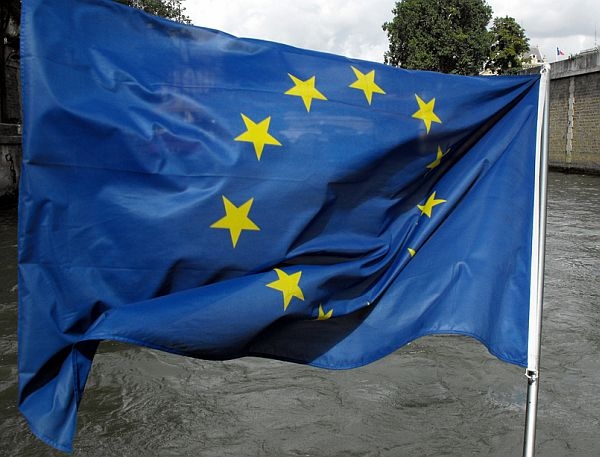
The European Union has commenced the phased implementation of its Packaging and Packaging Waste Regulation (PPWR), marking a major shift in compliance requirements for packaging materials sold within the Single Market. Among the first measures coming into force are restrictions limiting per- and polyfluoroalkyl substances (PFAS)—frequently referred to as persistent chemicals—in food-contact packaging applications.
The broader PPWR framework is designed to standardise packaging waste rules across all EU member states, mandating strict recyclability criteria, mandatory recycled content quotas, and binding waste reduction targets over the next decade. By introducing chemical limits at the start of the regulatory schedule, European policymakers intend to prevent legacy contaminants from entering mechanical recycling streams, thereby safeguarding recycled polymer quality for food-grade reuse.
For UK exporters and Turkish converters supplying plastic packaging into Europe, these initial rules demand prompt supply chain review. Although the UK operates its own independent regulatory framework and Türkiye continues to update its national waste regulations, any packaging products or filled goods entering the EU must meet PPWR standards. Turkish packaging manufacturers, who export large volumes of flexible and rigid plastic packaging to European retail markets, must ensure that raw polymers, masterbatches, and barrier coatings meet the updated substance limits. Simultaneously, UK waste processors and reprocessors exporting recycled resins or secondary raw materials to European buyers will face increased demand for traceability and technical verification regarding chemical composition.
Practical Takeaway
Converters and polymer traders should immediately audit product lines destined for the European market, obtaining updated compliance documentation and chemical safety assurances from feedstock suppliers to ensure all food-contact packaging meets the new EU thresholds.