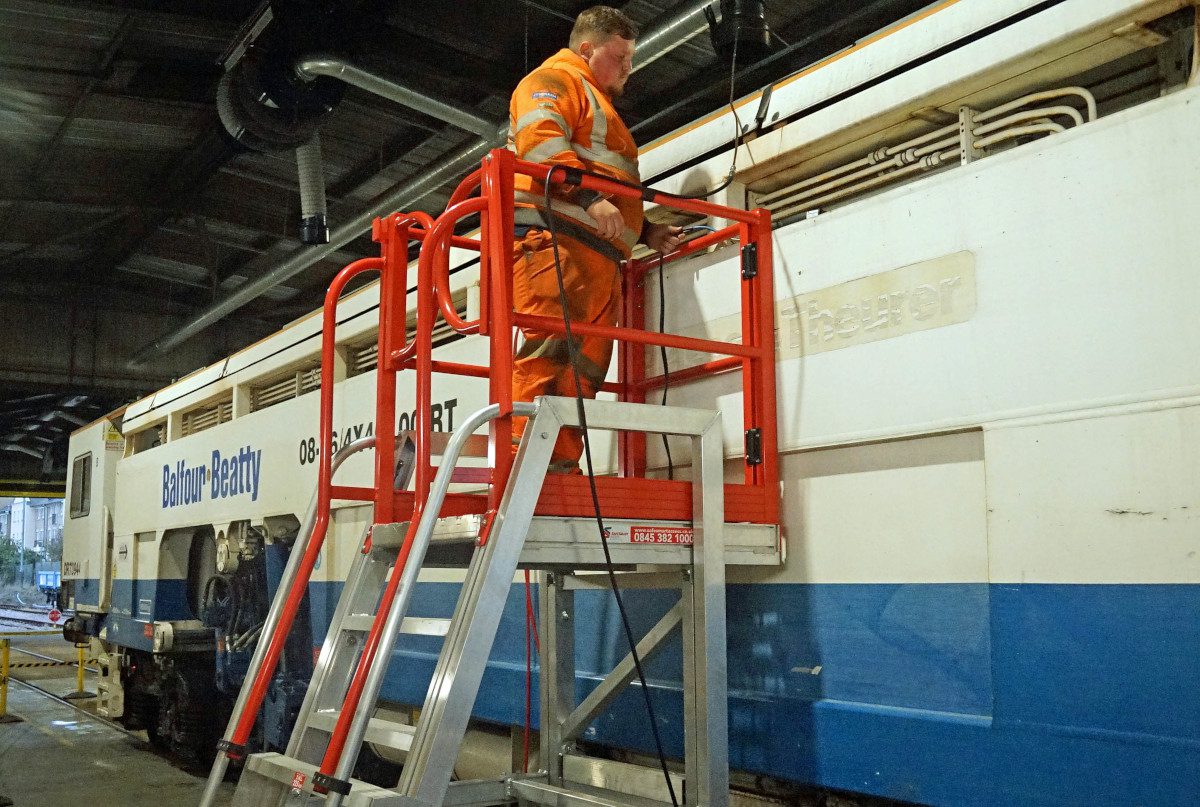
Infrastructure operator Balfour Beatty has been recognised at the International Green Apple Environment Awards for a trial aimed at reducing emissions from heavy diesel machinery. The initiative, conducted in partnership with technology developer Engine Carbon Clean, deployed hydrogen-assisted cleaning processes to remove internal carbon deposits from combustion engines on railway maintenance plant.
The trial demonstrated that targeted engine servicing can yield immediate reductions in exhaust emissions and fuel consumption without requiring wholesale replacement of capital assets. Hydrogen-assisted carbon cleaning injects hydrogen gas into the engine's air intake, helping to burn off accumulated carbon residue on internal components. This process restores engine efficiency and reduces particulate matter and nitrogen oxide emissions from heavily used diesel plant.
Why It Matters
While long-term decarbonisation targets push industries toward full electrification or zero-emission fuels, heavy industrial sectors face practical barriers in replacing high-cost plant machinery immediately. Transitory technologies and enhanced maintenance regimes provide an accessible interim strategy to lower carbon intensity. Restoring internal engine efficiency allows operators to achieve immediate emissions savings across existing machinery portfolios while managing capital expenditure.
Practical Takeaway
Facilities managers and fleet directors should evaluate specialized engine maintenance and carbon-cleaning regimes as part of their routine asset management cycles. Combining regular servicing with carbon-reduction treatments can extend equipment operational lifespan, optimize fuel performance, and deliver verifiable emissions reductions prior to full fleet replacement.
Implications for Waste Operators and Recyclers
For UK waste management facilities and Turkish plastic recycling plant operators, Scope 1 emissions from heavy site machinery—such as loading shovels, diesel shredders, telehandlers, and road transport fleets—represent a substantial portion of overall carbon footprints.
As regulatory reporting requirements tighten across Europe and the UK, recyclers are under growing pressure to demonstrate continuous reductions in operational emissions. Incorporating low-cost engine optimization techniques offers recycling businesses a pragmatic route to lower diesel fuel expenses and satisfy carbon reporting criteria without committing to immediate, capital-intensive vehicle replacements.