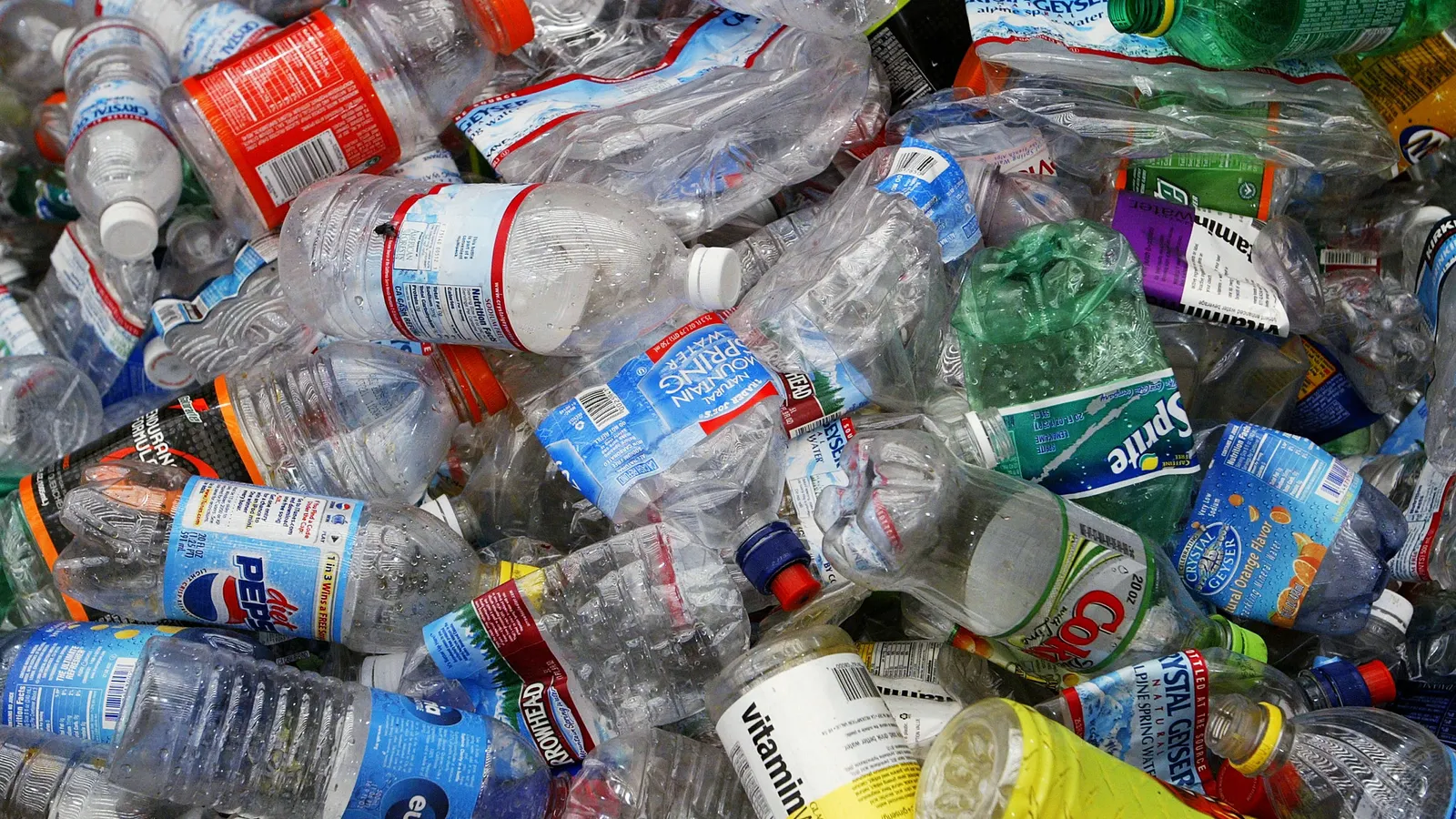
A recent technical retrospective on consumer plastic manufacturing highlights how legacy engineering choices historically prioritised aesthetic durability and high-speed moulding over end-of-life circularity. Examining multi-material products illustrates how the blending of polyvinyl chloride (PVC), acrylonitrile butadiene styrene (ABS), and vinyl compounds created robust products, but left modern waste management infrastructure with complex sorting challenges.
As regulatory frameworks like the EU Ecodesign for Sustainable Products Regulation (ESPR) and UK Extended Producer Responsibility (EPR) take hold, historical design philosophies are proving commercially unsustainable. Packaging converters and product designers face growing legal and financial pressure to transition from multi-polymer builds to mono-material architectures. Multi-layer and multi-resin assemblies significantly degrade the quality of post-consumer resin (PCR) fractions, leading to high residue rates at mechanical sorting plants and depressing the commercial value of recovered polymers.
The primary operational takeaway for industrial engineers and packaging developers is to embed design-for-recyclability criteria at the earliest stages of resin selection. Replacing legacy multi-resin combinations with single-polymer families—such as polypropylene (PP) or high-density polyethylene (HDPE)—ensures full compatibility with automated optical sorting systems, reduces mechanical recycling energy demands, and simplifies mass-balance carbon calculations.
For UK waste processors and Turkish plastic recyclers handling rigid polymer fractions, the persistent presence of multi-material items in post-consumer and industrial waste streams directly inflates processing costs. Unsorted multi-resin materials risk contaminating high-purity streams, increasing sorting downtime, and inflating carbon-reporting figures due to yield losses during re-granulation. To mitigate these risks and maintain regulatory compliance, recyclers and converters must establish tighter feedstock specifications and champion standardized mono-material inputs across international supply chains.