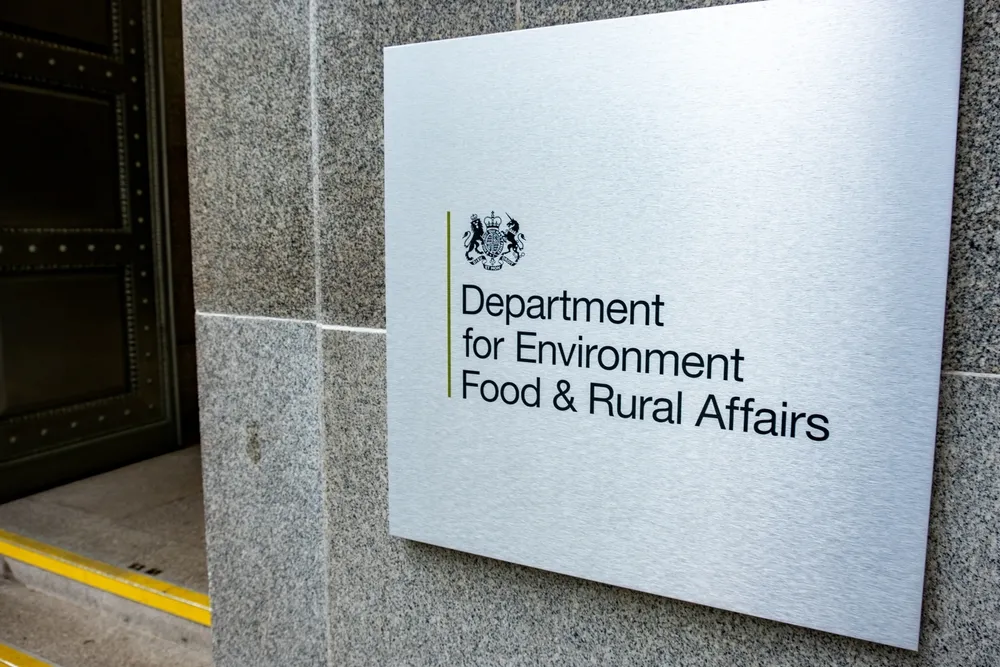
The UK Department for Environment, Food and Rural Affairs (Defra) has introduced a regulatory position statement to ease packaging waste compliance rules for 2026. The decision relaxes the strict evidential requirements for Packaging Recovery Notes (PRNs) and Packaging Export Recovery Notes (PERNs) on specific materials. This intervention follows mounting concerns over a severe shortage of available compliance notes, which had raised the prospect of widespread non-compliance among obligated businesses.
The PRN mechanism is the primary tool for proving that packaging producers have met their recycling obligations in the UK. When the supply of these notes falls short of statutory targets, compliance costs for packaging converters and compliance schemes escalate rapidly. By temporarily lowering the evidential threshold, Defra aims to inject liquidity into the compliance market and prevent artificial price spikes that threaten the financial stability of obligated UK businesses.
For the UK–Türkiye plastics recycling corridor, this regulatory shift carries significant implications. Turkish recyclers are major processors of UK plastic waste, and the evidence of their recycling activities generates PERNs. A relaxation of UK obligations may temporarily cool the frantic demand for export evidence, potentially stabilizing the pricing of UK plastic scrap exports. However, it also underscores the ongoing volatility of the UK compliance market. Turkish reprocessors must maintain high standards of traceability and compliance to ensure their output remains attractive to UK exporters navigating these shifting rules.
The practical takeaway for UK packaging converters is to reassess their compliance procurement strategies for 2026, taking into account the potential for softened PRN prices. For waste exporters and Turkish partners, the focus must remain on robust documentation, ensuring that any PERNs generated under the relaxed framework withstand regulatory scrutiny.