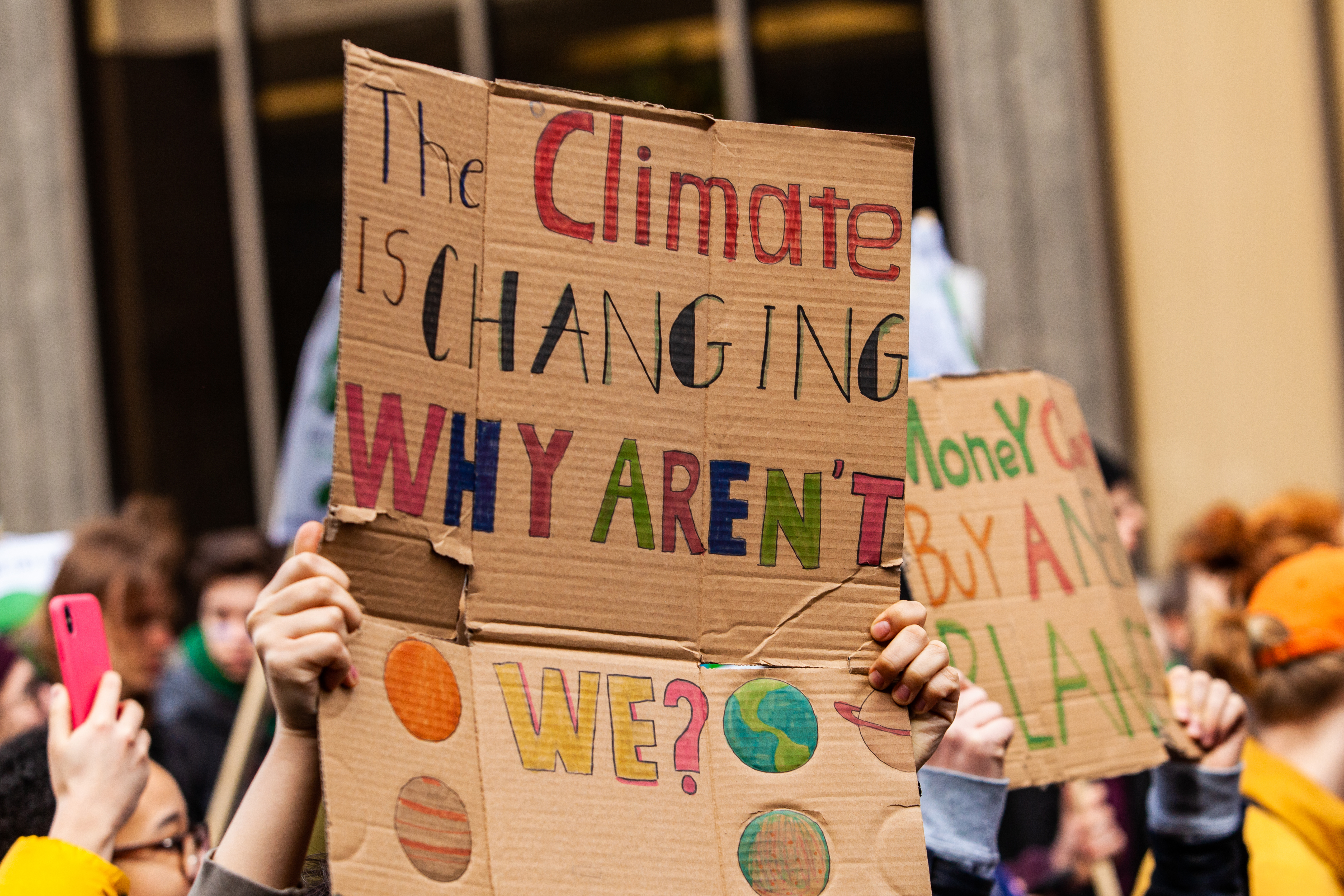
Recent discussions at global sustainability forums indicate that a growing number of chief executives and sustainability directors are quietly scaling back their public climate commitments. Facing macroeconomic headwinds, persistent inflation, and rising political friction around environmental policy, corporate leaders are increasingly prioritising short-term financial stability over ambitious net-zero milestones.
This softening of corporate resolve comes at a critical juncture. While voluntary sustainability goals are being trimmed or delayed, statutory carbon reporting and due diligence frameworks across the UK and the European Union are moving in the opposite direction, introducing mandatory disclosure requirements. The disconnect between corporate messaging and regulatory momentum risks exposing businesses to compliance penalties and operational disruption as transition timelines compress.
Impact on recyclers and carbon reporting
For UK waste management companies, packaging converters, and Turkish polymer reprocessors, corporate hesitance around climate targets presents a changing commercial landscape. While some brand owners may temporarily dial back voluntary commitments to incorporate higher percentages of secondary material, mandatory Scope 3 emissions accounting—driven by mechanisms such as the EU Corporate Sustainability Reporting Directive (CSRD)—remains legally binding for companies integrated into European supply chains.
Turkish reprocessors exporting re-granulate into the UK and EU market must increasingly provide audited, verifiable product carbon footprints. Similarly, UK packaging manufacturers need transparent lifecycle assessment (LCA) data to prove that substituting virgin polymers with recycled resins yields quantifiable greenhouse gas reductions. As corporate buyers face mounting regulatory scrutiny over greenwashing claims, procurement decisions will depend less on marketing pledges and more on verifiable carbon metrics.
Practical takeaway
Recyclers and packaging converters should invest in standardized, audit-ready carbon accounting for all secondary resin grades. Providing verified lifecycle carbon data enables corporate customers to meet mandatory Scope 3 reporting obligations without relying on unverified claims, securing market access even as broader corporate climate strategies undergo revision.