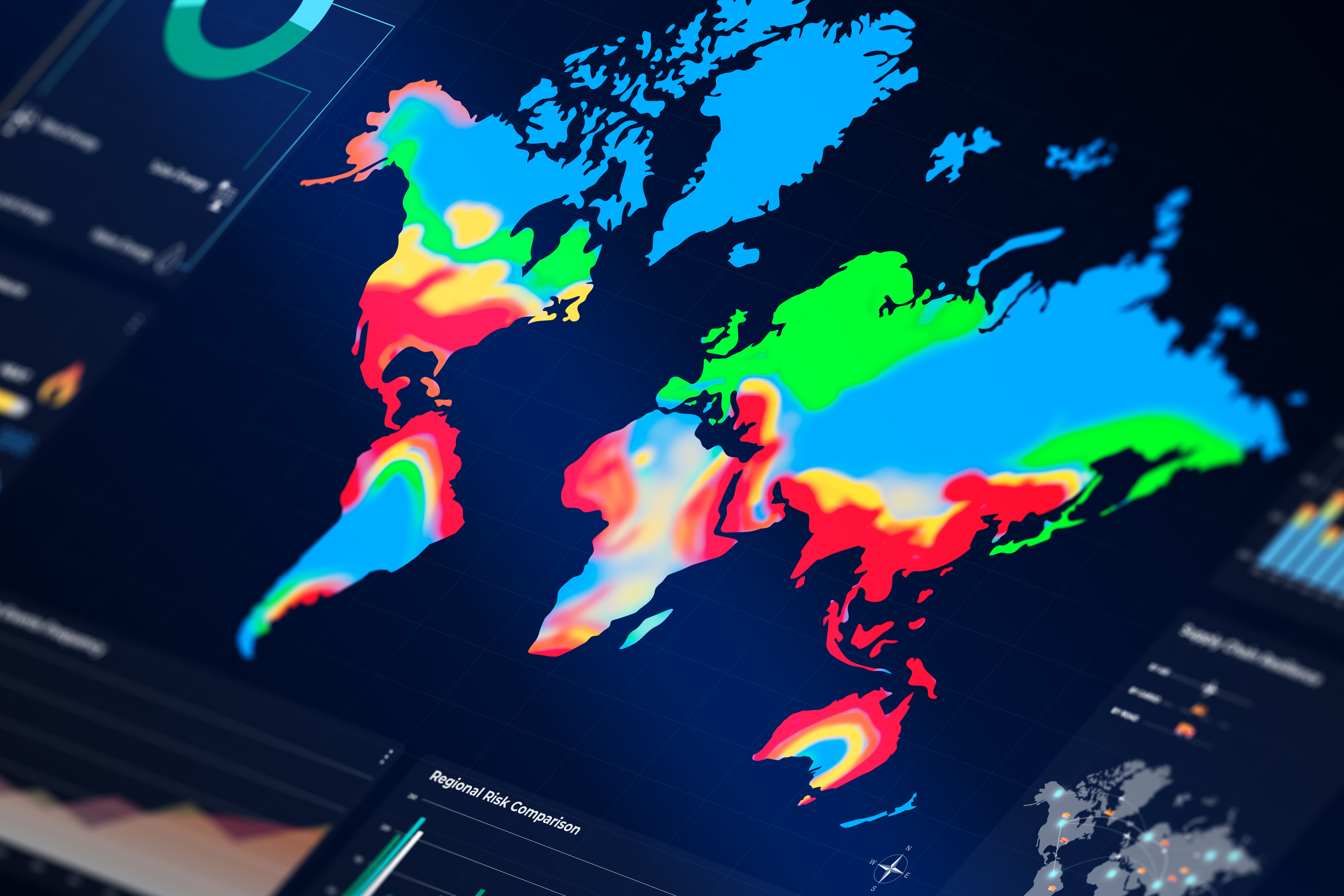
New research conducted by the Ordnance Survey (OS) reveals that 67% of major strategic and investment decisions across British business continue to be made without incorporating climate data. Despite rising environmental oversight and shifting weather patterns, spatial and environmental datasets remain widely sidelined in long-term corporate planning.
Why it matters
For capital-intensive sectors, excluding climate data from strategic planning introduces significant operational, regulatory, and financial exposure. Extreme weather events, rising resource scarcity, and evolving carbon compliance frameworks directly affect physical assets, transport infrastructure, and supply chain resilience. Leaving location-based climate projections out of investment decisions leaves businesses vulnerable to stranded assets, rising insurance costs, and abrupt regulatory interventions as decarbonisation mandates take hold.
Relevance for UK-Türkiye waste and recycling operators
For UK waste management firms, packaging converters, and Turkish polymer recyclers, this gap highlights a critical weakness in compliance and carbon reporting strategies. As the UK and EU enforce stricter non-financial reporting standards—including mandatory Scope 1, 2, and 3 emissions disclosures—businesses in the plastics supply chain are under pressure to provide verifiable environmental data.
Turkish recycling processors exporting recycled PET, PE, or PP into the UK and Europe face growing scrutiny over embedded carbon and supply chain traceability. Similarly, UK waste companies selecting sites for new sorting infrastructure must account for localized flood risks, power grid capacity, and changing waste flows. Failing to integrate climate datasets into asset allocation and capital planning endangers regulatory compliance, increases operational costs, and risks alienating buyers who demand audited carbon metrics.
Practical takeaway
Operators across the UK-Türkiye plastics corridor should audit their investment frameworks to ensure geospatial and climate risk data are embedded into core decision-making. Incorporating physical risk assessments and localized carbon data into capital expenditure reviews will strengthen climate disclosures, protect asset longevity, and maintain competitive advantage in low-carbon supply chains.