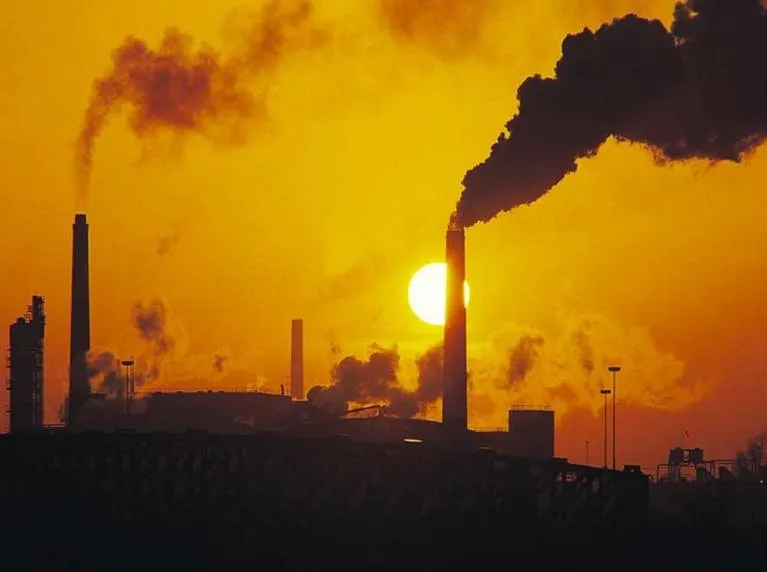
Delegates from more than 190 nations are assembling in Türkiye for the COP31 UN climate summit. The fortnight of negotiations brings international government representatives, policy experts, and industry leaders together to evaluate global progress on greenhouse gas reduction targets, climate finance, and national decarbonisation strategies.
While high-level summits focus primarily on state-level commitments, the outcomes of UN climate negotiations directly influence the legislative trajectories of major economies. With host nation Türkiye positioned as a pivotal industrial bridge between Europe and Asia, the summit underscores the accelerating shift towards mandatory sustainability disclosure, circular economy policy, and supply chain carbon tracking.
Implications for UK and Turkish Recyclers
For UK waste management firms, packaging converters, and Turkish plastic recyclers, global climate negotiations set the baseline for corporate reporting standards. Mechanical recycling offers a substantially lower carbon footprint compared to virgin polymer synthesis. As international policy aligns around stricter Scope 1, 2, and 3 emissions disclosure—driven by initiatives like the EU and UK Carbon Border Adjustment Mechanisms (CBAM)—the ability to prove lifecycle emissions savings becomes a critical commercial differentiator.
Turkish reprocessing plants exporting rPET, HDPE, or PP into the UK and EU markets will increasingly need auditable data demonstrating the precise carbon savings of their recycled resins. UK converters under pressure to meet corporate net-zero pledges will demand transparent carbon accounting from their material suppliers to satisfy mandatory reporting rules and domestic packaging taxes.
Practical Takeaway
Recyclers and reprocessors should audit facility energy consumption and establish formalised product carbon footprint (PCF) metrics for their resin outputs. Having verified greenhouse gas lifecycle data ready for downstream customers will safeguard compliance and ensure long-term competitiveness as supply chain decarbonisation rules tighten.