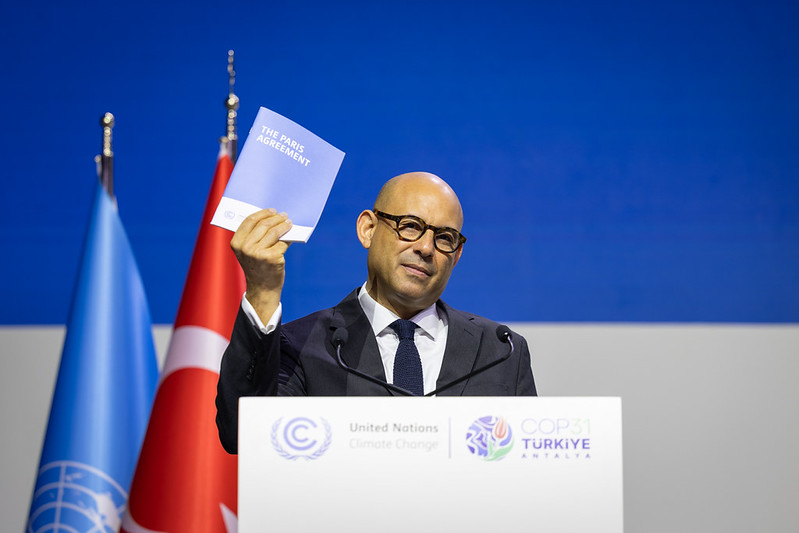
As formal negotiations at the UN Climate Change Conference (COP31) get under way in Türkiye, early proceedings on 9 November focused on translating high-level global pledges into concrete regional action. Among the central themes emerging from the summit were new pledges targeting organic waste reduction, expanded frameworks for climate finance, and targeted investments aimed at accelerating decarbonisation across Eurasia and the Mediterranean corridor. Delegates also received updated assessments on regional climate risks, underscoring the urgency of operationalising previous net-zero commitments.
The location and agenda of COP31 highlight Türkiye’s pivotal position in Eurasian sustainability policy and environmental finance. For the broader resource management sector, international focus on waste reduction and emissions accounting signals tighter scrutiny over commercial supply chains. Sustainable finance initiatives announced at the summit are designed to channel capital into low-carbon infrastructure, which increasingly includes industrial recycling facilities, renewable energy integration for manufacturing, and advanced sorting technology. Furthermore, global commitments on waste streams act as a harbinger for broader waste management directives, creating spillover effects for dry recyclables and synthetic packaging policy.
For waste operators in the UK and processors across Türkiye, the discussions at COP31 carry direct implications for Scope 3 emissions reporting and future regulatory alignment. As multilateral finance mechanisms link capital access to verified carbon reductions, Turkish reprocessors and UK packaging exporters will face stricter requirements to document the embedded carbon of recycled polymers and secondary raw materials. UK waste managers expanding export relationships must ensure their auditing systems align with emerging international standards, while Turkish recyclers stand to benefit from new regional green transition funds if they can demonstrate robust, verifiable emissions data.
Companies operating across the UK–Türkiye waste and plastics axis should review their carbon accounting frameworks ahead of anticipated regulatory tightening. Prioritising audit-ready Scope 1, 2, and 3 data now will safeguard access to green trade finance and ensure compliance as buyer expectations advance.