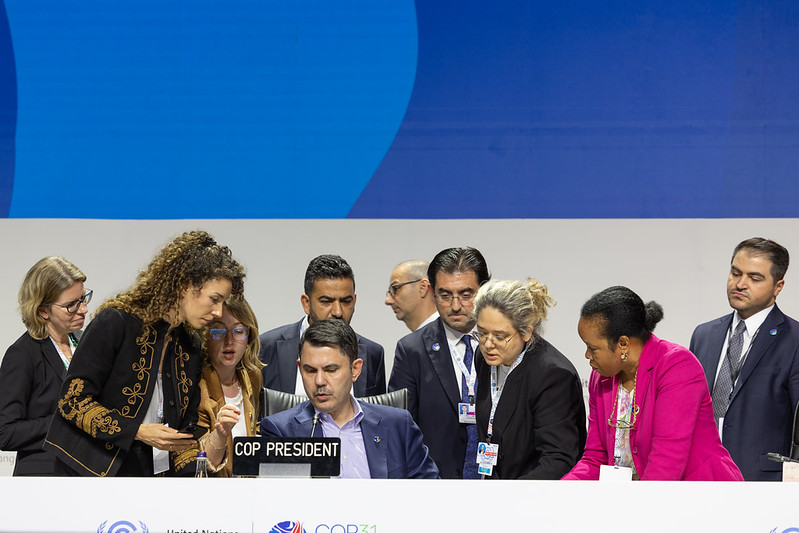
Negotiators at the COP31 climate summit faced intense scrutiny over a revised draft agreement as talks stretched past scheduled deadlines. The updated text sparked criticism from climate policy observers and developing nations due to weak operational language and a perceived over-reliance on unproven carbon removal mechanisms rather than decisive emission reduction mandates. Policy analysts noted that the document contains "feeble language" that acknowledges environmental risks without locking in enforceable global targets.
The gridlock at UN climate summits reflects a broader institutional hesitation to mandate strict, binding international commitments on decarbonisation and resource management. For the industrial sector, including waste management and secondary raw materials, weak multilateral consensus leaves regional and national regulatory frameworks to drive sustainability agendas. Without unified global mandates on emissions reductions, policy enforcement defaults to domestic legislations such as carbon border mechanisms, extended producer responsibility schemes, and national plastic packaging levies.
For waste management firms in the UK and plastic recyclers in Türkiye, the lack of a strong top-down global climate agreement reinforces reliance on localized compliance regimes. UK waste processors and packaging converters must continue prioritizing compliance with domestic measures like the Plastic Packaging Tax and evolving corporate sustainability reporting standards. Meanwhile, Turkish processors exporting recycled polymers into Europe and the UK face stringent mandatory emissions disclosure and supply chain verification rules, including carbon border adjustments and eco-design standards. As global summits fail to deliver uniform regulations, businesses operating across the UK–Türkiye trade corridor must navigate fragmented carbon accounting rules that directly affect operational costs and export viability.
Recyclers and packaging converters should not wait for international consensus before auditing their decarbonisation frameworks. Operational focus must remain on establishing verified product carbon footprints and maintaining transparent emission reporting to meet stringent UK and EU compliance demands.