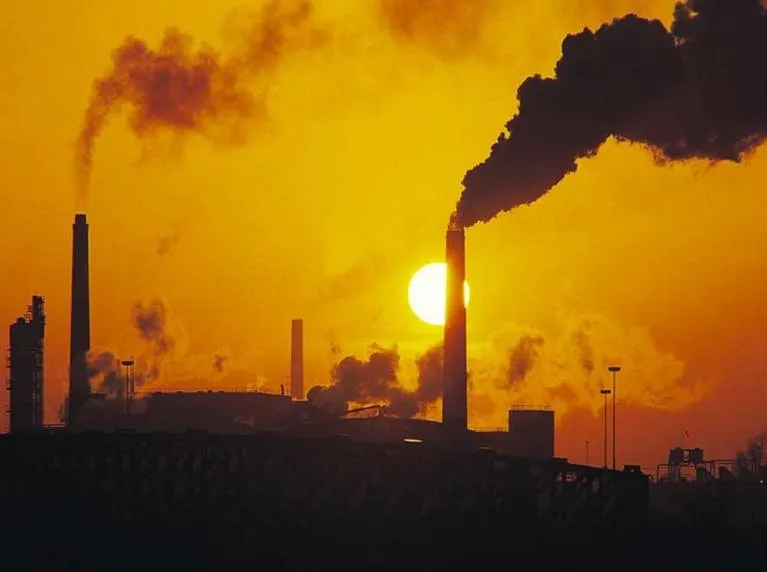
As delegates gather for COP31, reports evaluating extreme weather occurrences throughout 2026 confirm a marked acceleration in climate impacts. Severe droughts, persistent heatwaves, and wide-scale flooding across multiple continents have resulted in significant casualties and widespread disruption to regional infrastructure. Climate scientists warning of non-linear atmospheric shifts stress that immediate carbon reduction is critical to prevent further structural instability in global commerce and energy networks.
The operational fallout from severe weather directly affects industrial manufacturing and international trade routes. Energy grids face unprecedented peak loads during extreme heat, while maritime shipping and land freight suffer delays due to river drying or localised flooding. For industrial sectors—including polymer conversion and secondary raw material processing—extreme weather events present direct risks to plant continuity, feedstock availability, and utility overheads. Furthermore, international regulatory frameworks are tightening rapidly in response to these climate indicators, accelerating mandatory carbon reporting and supply chain transparency standards across Europe.
For waste management firms in the UK and polymer recyclers across Türkiye, these climate trends reinforce the urgency of robust Scope 1, 2, and 3 carbon accounting. European buyers and brand owners are increasingly demanding low-carbon recycled content to meet strict environmental credentials, backed by audited emissions data. Disrupted shipping lanes and fluctuating utility costs caused by weather volatility can also alter trade dynamics between British waste exporters and Turkish reprocessors. Companies that proactively measure and reduce the carbon intensity of their reprocessed polymers will be better insulated from regulatory penalties and supply chain volatility.
Plastics reprocessors and waste operators should audit their physical logistics networks for weather-related vulnerabilities while establishing verified lifecycle assessment (LCA) data for all recycled polymer grades. Having transparent carbon footprint data will become a key commercial differentiator as international climate policy intensifies.