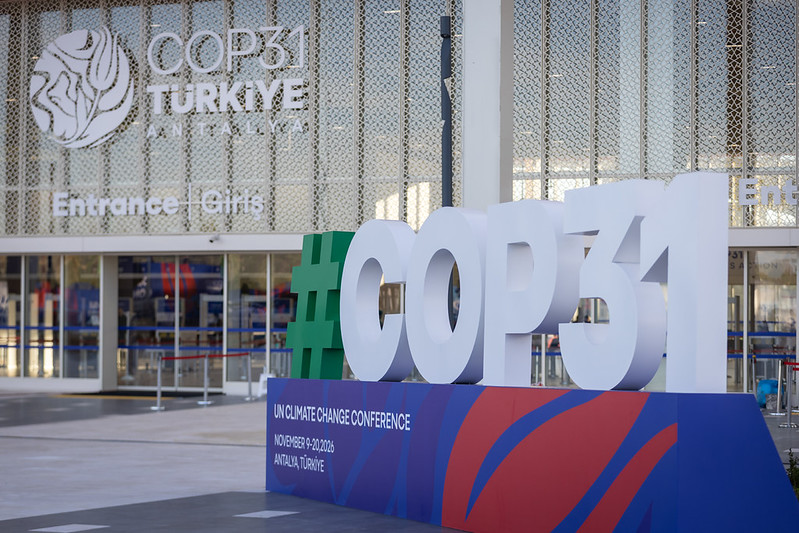
As Türkiye prepares to host the upcoming COP31 World Leaders Summit in Antalya, understanding the structural terminology of United Nations climate conferences becomes increasingly relevant for industrial strategy. UN summits operate under formal operational designations, such as the Blue Zone—the official negotiation space managed by the UNFCCC for accredited national delegates, policy architects, and formal observers—and the public-facing Green Zone, which accommodates civil society, corporate exhibitors, and practical demonstrations.
A key operational concept for the upcoming summit is the Belém-Antalya Mechanism, created to maintain continuity between COP30 in Brazil and COP31 in Türkiye. This initiative seeks to align national climate targets, known as Nationally Determined Contributions (NDCs), with long-term global decarbonisation goals. While these terms originate in high-level diplomacy, they dictate how national governments construct environmental directives, carbon accounting requirements, and resource efficiency mandates.
For plastics recyclers and waste management firms operating across the UK and Türkiye, UN climate developments carry tangible commercial consequences. As Türkiye hosts COP31, both UK waste exporters and Turkish polymer reprocessors face heightened scrutiny over product carbon footprints and supply chain transparency. Turkish recyclers supplying material into European markets must navigate increasingly strict carbon border mechanisms and corporate sustainability disclosures. Tracking international climate frameworks allows waste management operators and converters to anticipate future statutory packaging targets, emissions reporting rules, and circular economy incentives across both regions.
Practical Takeaway: UK and Turkish plastics businesses should treat COP31 as a catalyst to audit their internal carbon reporting systems. Implementing standardised Scope 1, 2, and 3 emissions accounting today will prepare companies for stricter supply chain compliance demands as climate policy increasingly governs international trade.