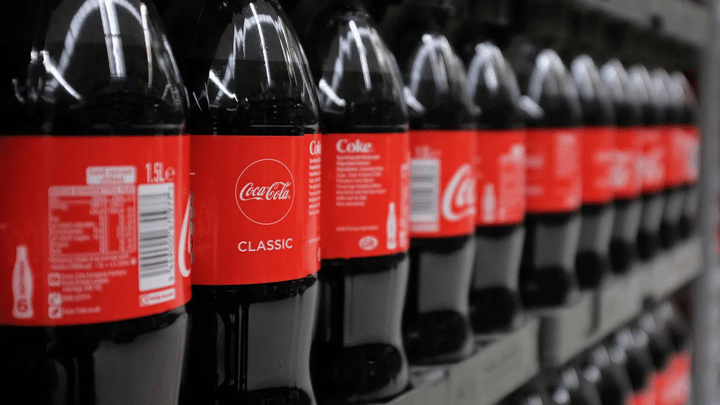
The Coca-Cola Company and its global bottling partners are scaling up capital deployment into refillable glass and PET bottle infrastructure. The move builds on corporate commitments to reach a 25 per cent reusable packaging share across its worldwide portfolio by 2030, driven by expanding commercial programs across Latin America, Europe, and select Asian markets.
A transition toward reusable packaging systems fundamentally alters downstream dynamics for single-use plastics and mechanical recycling infrastructure. For PET in particular, refillable bottles (RefPET) require specific resin formulations and heavier wall thicknesses capable of enduring up to 25 washing and refilling cycles before being retired into the recycling stream. While successfully deployed reuse models reduce overall primary plastic consumption and immediate municipal waste volumes, they also modify the volume, timing, and specification of post-consumer bottle bales entering reprocessing facilities. Furthermore, multinational beverage brands deploying reuse infrastructure at scale reinforce policy momentum behind mandatory reuse quotas outlined in the EU Packaging and Packaging Waste Regulation (PPWR).
For UK packaging converters and Turkish PET reprocessors, the expansion of commercial reuse models presents both supply chain adjustments and compliance implications. Turkish reprocessors sourcing post-consumer bottle scrap from UK and European collection streams should monitor regional adoption rates, as expanded reuse schemes will gradually alter bale availability and physical scrap characteristics. On the compliance front, UK waste managers and packaging producers preparing Scope 3 emissions reporting must evaluate how closed-loop RefPET systems alter life-cycle assessment (LCA) baselines compared to high-rPET single-use models. Additionally, reprocessors will need to ensure wash lines and extruder systems can efficiently process retired, heavy-wall RefPET flakes alongside standard single-use bottle stock.
Practical takeaway: Waste managers and PET recyclers should assess regional RefPET adoption rates to anticipate long-term shifts in post-consumer scrap supply, while verifying that wash and decontamination lines are optimized to process retired heavy-wall PET containers.