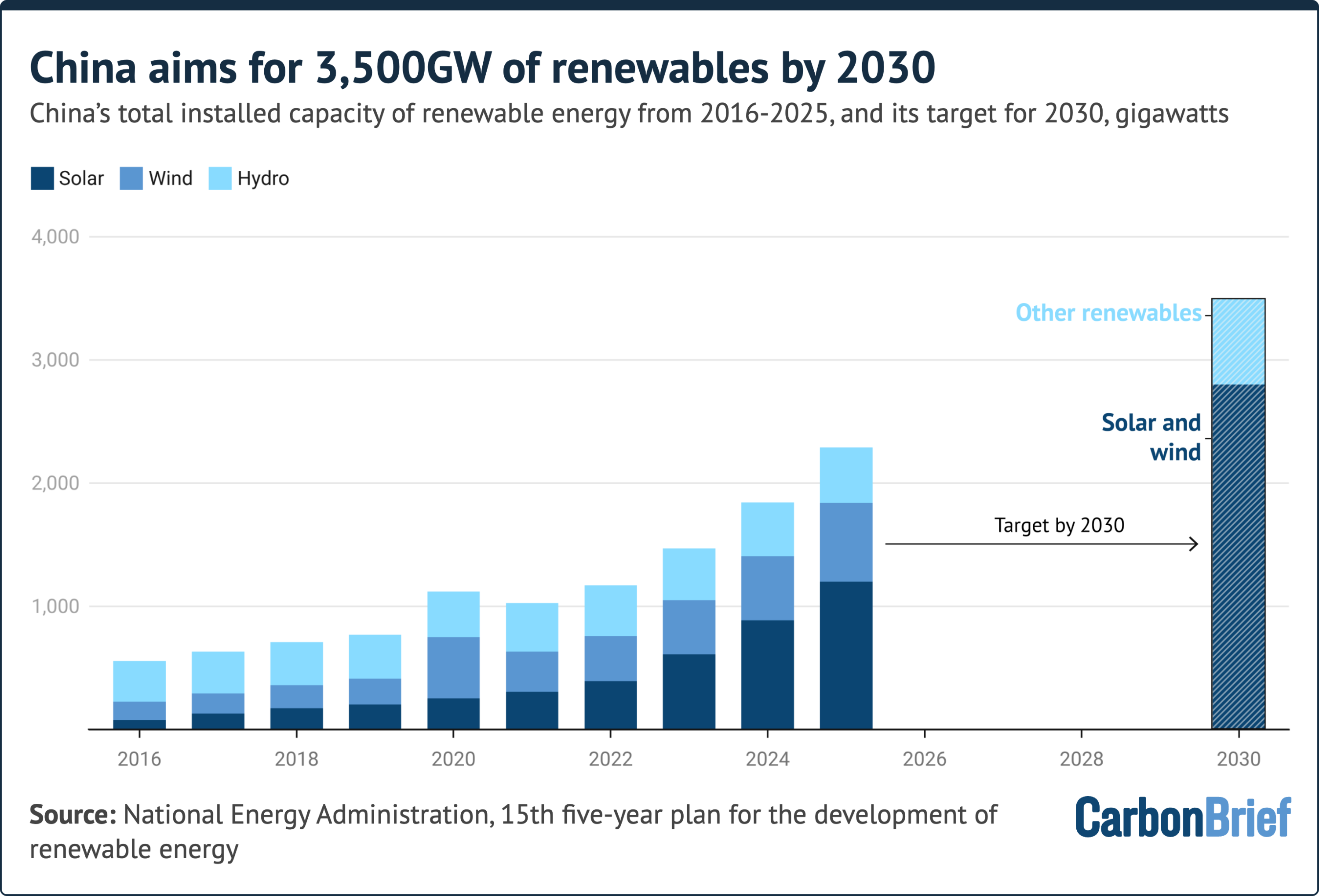
China has outlined strategic targets within its 15th Five-Year Plan for renewable energy, setting ambitious goals for solar, wind, and grid infrastructure deployment through the late 2020s. As the world’s largest carbon emitter and a primary supplier of green technologies, Beijing's official roadmap establishes clear parameters for the next phase of national energy transition and industrial decarbonisation.
This policy development carries significant weight for global climate trajectories and cross-border trade. Rapid expansion of China’s renewable capacity is expected to lower the carbon intensity of Chinese industrial outputs while maintaining downward pressure on global clean technology costs. As international trading blocs tighten carbon reporting requirements, China’s energy transition will increasingly influence baseline standards for industrial carbon footprints worldwide.
For UK waste management firms, packaging converters, and Turkish polymer recyclers, China’s shifting energy mix has direct implications for corporate sustainability compliance and carbon auditing. As regulations such as the European Union and UK Carbon Border Adjustment Mechanisms (CBAM) take effect alongside stringent Scope 3 emissions reporting requirements, companies must account for embedded carbon across global machinery and raw material supply chains. As global manufacturing hubs green their energy grids, processing facilities in Türkiye and the UK will face growing market pressure to demonstrate comparable carbon reductions in their own operational energy supply.
Practical Takeaway: UK and Turkish recyclers should review their energy procurement strategies and audit Scope 2 and Scope 3 carbon reporting frameworks. Securing renewable Power Purchase Agreements (PPAs) and verifying full supply-chain carbon data will be crucial to maintaining compliance and commercial competitiveness in European export markets.