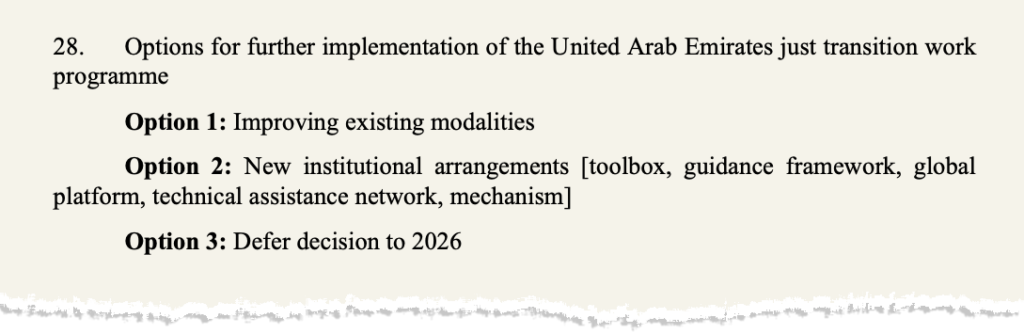
As global climate negotiations look towards COP30 in Belém, Brazil, and COP31 in Antalya, Türkiye, international climate policy is sharpening its focus on the concept of a just transition—ensuring the shift to a low-carbon economy is economically viable and socially equitable. The proposed Belém-Antalya mechanism aims to create a structured framework under the UN climate process to guide workforce reskilling, industrial transformation, and climate finance alignment across developing and emerging market economies.
While high-level UN mechanisms often feel distant from daily scrap trading operations, the implications for the plastic recycling and waste management supply chain between the UK and Türkiye are becoming increasingly tangible. Industrial decarbonisation is no longer strictly a compliance matter for primary energy producers; it directly influences cross-border trade, capital allocation, and supply chain audit standards.
Why It Matters for UK–Türkiye Recycling Supply Chains
For Turkish reprocessors, the push towards a formal just transition mechanism highlights the growing operational imperative to decarbonise energy-intensive sorting, washing, and mechanical extrusion lines. As international buyers, particularly in the UK and European Union, demand increasingly granular Scope 3 emissions data, Turkish recyclers running clean, energy-efficient facilities will gain a distinct competitive edge. Furthermore, as Türkiye prepares to host COP31, national environmental regulations and industrial energy transitions are expected to accelerate, potentially unlocking targeted green funding for waste operators upgrading to low-emission machinery.
For UK waste exporters and packaging converters, understanding these global transition frameworks provides clarity on the future regulatory baseline of international reprocessing partners. UK firms auditing their overseas supply chains must account for both environmental performance and social sustainability standards. The Belém-Antalya framework underscores that future supply chain resilience will depend on partners who can demonstrate verifiable carbon reductions alongside fair labour practices.
Practical Takeaway
Recyclers and converters should audit their current carbon accounting frameworks and workforce development programs today. Aligning energy efficiency upgrades with internationally recognised transition metrics will safeguard compliance against upcoming Scope 3 audit demands and ensure eligibility for emerging green finance mechanisms tied to COP outcomes.