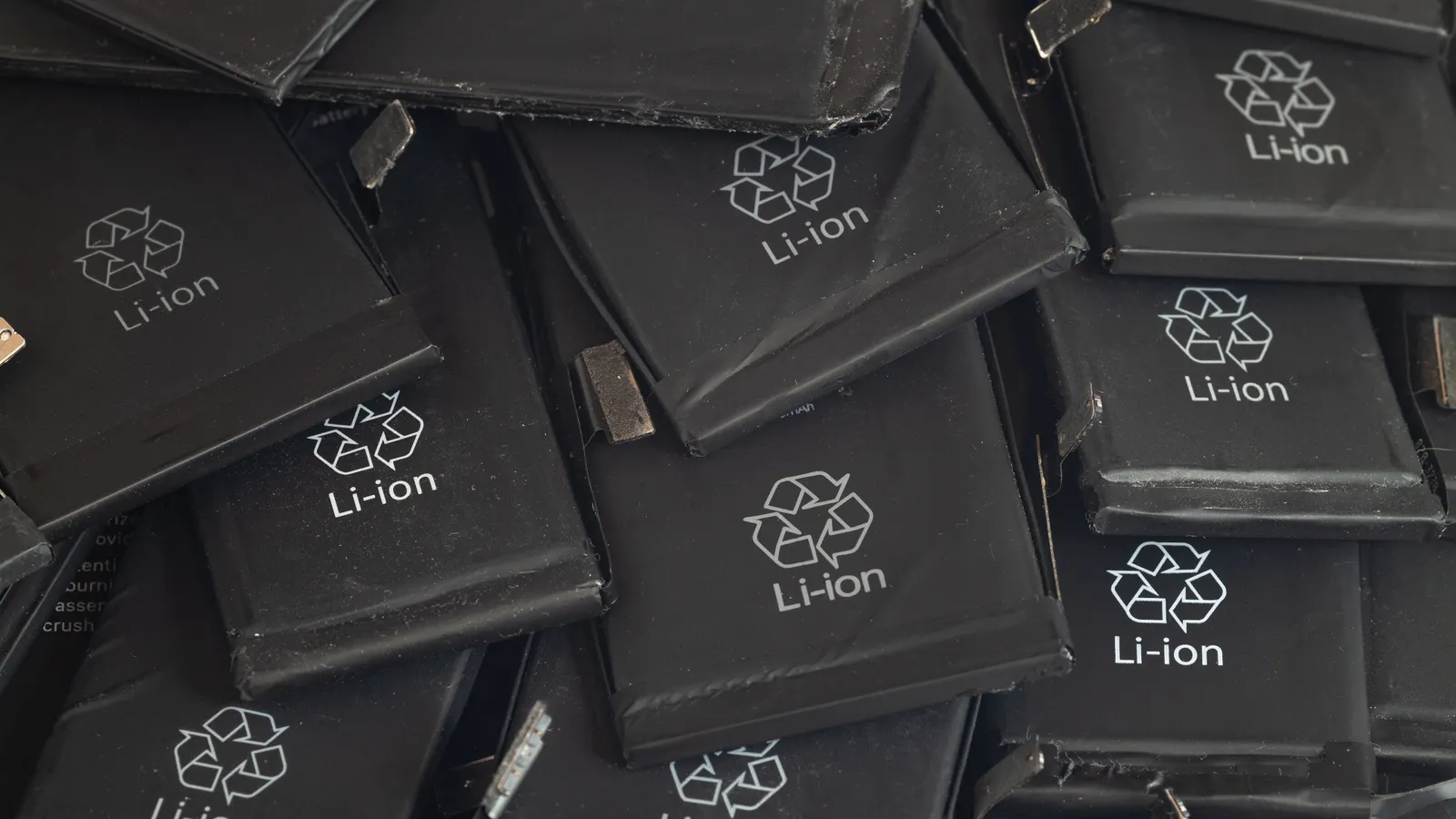
Waste management and recycling operators are stepping up trials of automated battery detection technologies to identify and remove lithium-ion batteries before they cause catastrophic facility fires. As reported by Waste Dive, US operator Circular Services is piloting proactive detection systems across its material recovery facilities (MRFs), whilst industry associations continue to advocate for stronger extended producer responsibility (EPR) and take-back legislation.
Lithium-ion batteries—frequently discarded incorrectly in household packaging streams via electronic waste, toys, and disposable vapes—present a severe, escalating operational hazard for the recycling sector. When compacted or punctured during collection and mechanical sorting, damaged cells can ignite instantaneously. Amidst high volumes of combustible paper, cardboard, and polymer fractions, these thermal events frequently cause extensive equipment damage, operational downtime, and facility losses.
Implications for UK and Turkish recyclers
While the latest trials are taking place in North America, the operational threat is identical for UK waste management firms and Turkish plastics reprocessors. In the UK, kerbside battery contamination has driven recycling facility insurance premiums to unprecedented levels and forced operators to implement costly fire suppression upgrades. Rogue batteries embedded in post-consumer plastic collections also threaten sorting efficiency, potentially contaminating baled polymers destined for domestic reprocessing or export.
For Turkish recyclers receiving imported polymer bales or sourcing domestic commercial scrap, thermal risks inside storage yards and pre-wash shredding lines remain a critical safety concern. Undeclared electronic waste inside plastic loads not only endangers plant infrastructure but can also ruin extrusion lines and compromise recycled pellet quality. As automated optical and thermal sorting systems mature, adopting proactive detection at intake points will become a key risk-management measure.
Practical takeaway
Plant managers and packaging sorters should review intake inspection protocols and assess automated thermal-imaging or AI pre-sorting tools at tipping floors to intercept hazardous batteries before feedstocks enter mechanical processing lines.