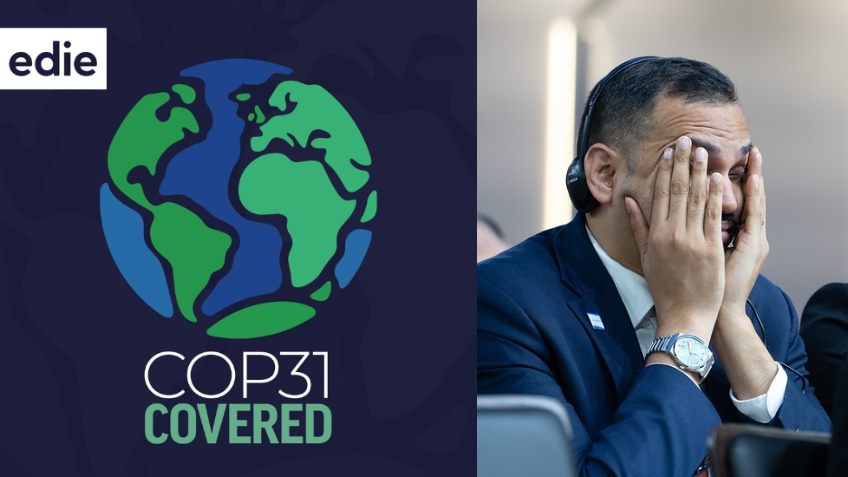
The COP31 UN climate summit in Antalya, Türkiye, concluded without reaching a formal consensus agreement following two days of extended negotiations. Discussions stalled on critical issues including international carbon market frameworks, accelerated national emissions reduction targets, and multilateral finance commitments. Despite the breakdown in finalising a comprehensive text, negotiating teams preserved foundational elements of previous summits, maintaining the operational structure as diplomatic focus shifts toward the upcoming talks in Addis Ababa.
Why the deadlock matters
The lack of a decisive outcome at Antalya reflects persistent divisions between nations over carbon accounting rules and financial responsibilities. For industrial sectors, multilateral stalemates prolong regulatory ambiguity around international carbon offset mechanisms and cross-border emissions standards. However, the failure to secure a global consensus does not signal a freeze in climate policy. Regional regulatory bodies, notably in the European Union and the UK, continue to press forward with independent decarbonisation mandates, carbon border adjustments, and mandatory corporate sustainability reporting rules.
Impact on UK and Turkish plastic recyclers
For UK waste management companies, packaging converters, and Turkish polymer reprocessors, the Antalya outcome underscores that regional regulations—rather than global UN agreements—will dictate compliance standards. Turkish plastic recyclers exporting secondary raw materials into Europe remain directly exposed to the EU Carbon Border Adjustment Mechanism (CBAM) and mandatory corporate sustainability reporting directives. High-level UN deadlocks do not pause these enforcement timelines.
Similarly, UK packaging manufacturers must continue adhering to strict domestic plastic packaging tax thresholds and Extended Producer Responsibility (EPR) frameworks. Recyclers across both territories must ensure their carbon accounting practices are robust, as downstream buyers increasingly demand verified Scope 1, 2, and 3 emissions data to meet local statutory obligations.
Practical takeaway
Waste management firms and plastics recyclers should align their carbon reporting and environmental management systems directly with UK and EU legislative requirements, rather than anticipating unified global standards from UN climate negotiations.