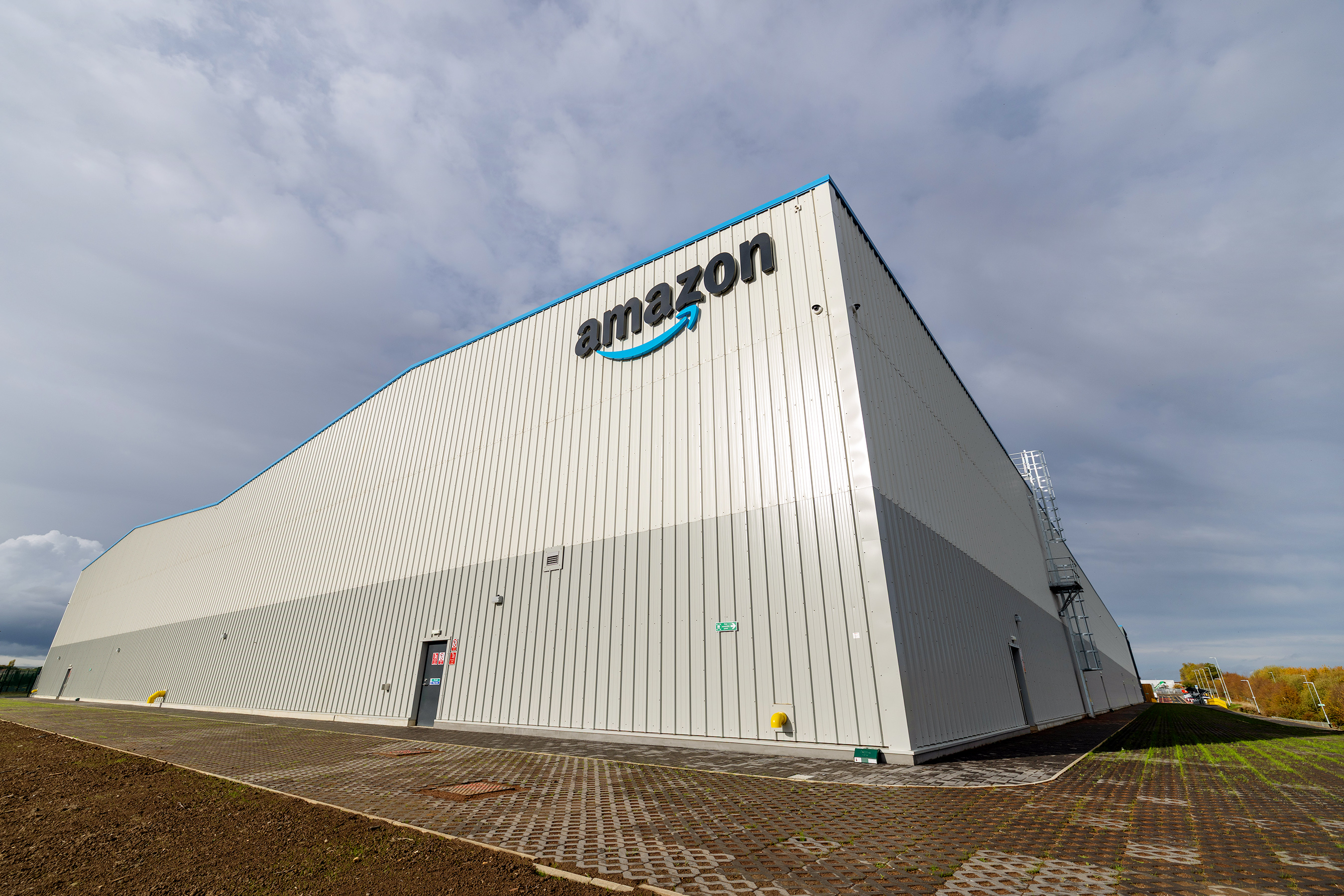
Amazon has officially launched its first net-zero operational delivery station in the United Kingdom, located in Stockton-on-Tees. The £40 million logistics hub was designed and constructed to achieve a 20 per cent reduction in embodied carbon compared to the e-commerce giant’s previous building benchmarks. The facility incorporates solar panel arrays, heat pump technology, and energy-efficient building management systems aimed at eliminating site operational emissions.
This development reflects a broader acceleration among multinational logistics operators to align physical infrastructure with strict carbon neutrality commitments. Beyond reducing direct building emissions, large-scale fulfilment facilities are increasingly designed to support zero-emission fleet charging and optimized route distribution, targeting overall supply chain efficiency.
For UK waste management firms, packaging converters, and Turkish recycling processors integrated into cross-border supply chains, this trend holds key reporting and operational implications. As major retailers decarbonise their real estate and distribution networks, pressure will inevitably pass down to material suppliers and logistics subcontractors to demonstrate matching carbon reductions. Corporate procurement teams are establishing strict Scope 3 accounting standards, requiring secondary raw material handlers and packaging manufacturers to provide verified emissions data across their supply chain operations.
Recyclers and converters supplying secondary polymers or e-commerce packaging must anticipate tighter environmental audits from tier-one commercial partners. Transport emissions associated with moving recycled resins and finished packaging between Türkiye and the UK will face elevated scrutiny alongside facility-level energy footprints.
Practical Takeaway:
Recycling businesses and packaging converters should standardise their Scope 1, 2, and 3 emissions auditing processes. Establishing transparent carbon metrics for transport routes and processing sites will become crucial for securing supply contracts with corporate buyers committed to low-carbon logistics networks.