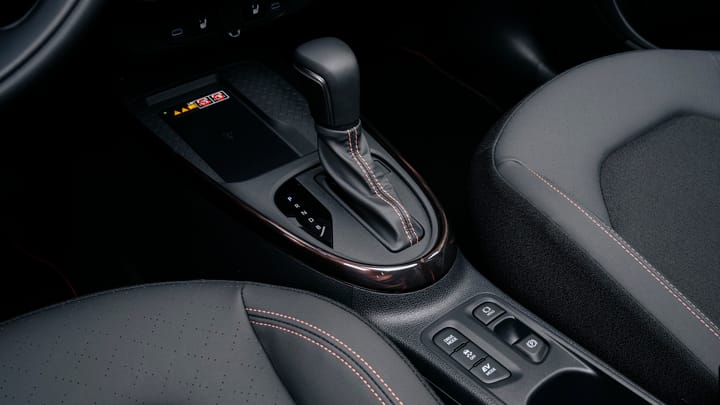
A new partnership between Toyota Motor Europe, Susonity, and the Plastivaloire Group has yielded a sustainable, premium polymer compound featuring a marble-effect finish. This material is slated for use in the interior of the 2026 Aygo X Hybrid, marking a significant step forward in the integration of circular materials within the automotive sector.
Historically, automotive interiors have relied heavily on virgin polymers to meet strict safety, durability, and aesthetic standards. Achieving a premium visual finish using sustainable compounds represents a notable technical milestone. It demonstrates that recycled and bio-based plastics can move beyond low-grade utility applications into highly visible, consumer-facing components. This shift is increasingly driven by consumer expectations and impending European regulations targeting circularity in the automotive supply chain.
For Turkish recyclers and UK waste exporters, this development highlights the growing commercial viability of high-specification technical compounds. As automotive original equipment manufacturers (OEMs) face stricter decarbonisation targets and potential mandates for recycled plastic integration, the demand for ultra-pure, consistent polymer feedstocks will surge. Turkish compounding specialists can leverage this trend by upgrading their processing capabilities to supply high-value, automotive-grade recyclates. Meanwhile, UK waste managers must focus on sourcing and sorting high-quality technical plastics to feed this premium supply chain, ensuring they can meet the strict input specifications required for such advanced applications.
As a practical takeaway, recyclers and compounders should pivot their research and development towards the aesthetic and structural enhancement of recycled resins. Investing in advanced sorting and compounding technologies now will position suppliers to capture high-margin contracts as automotive supply chains rapidly decarbonise.