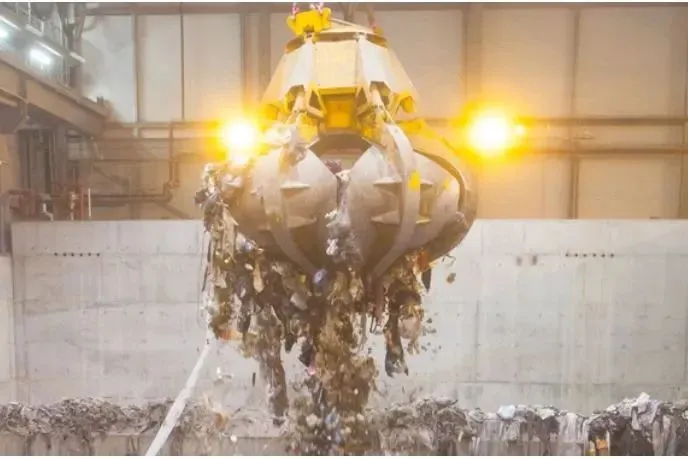
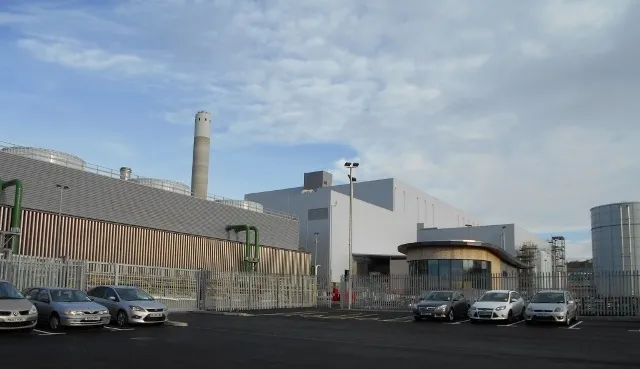
Environmental campaign group Zero Waste Europe has called on European policymakers to intervene in the continent’s Energy-from-Waste (EfW) sector, warning that structural overcapacity is stifling the transition towards a circular economy. Citing new research, the advocacy network argues that excessive incineration capacity across EU member states creates a persistent, structural demand for combustible waste, effectively pulling recyclable materials—particularly mixed plastic packaging—away from sorting and mechanical recycling facilities.
To address this imbalance, the campaigners are urging EU authorities to introduce a moratorium on the development of new EfW facilities and begin decommissioning redundant incineration units. The group stresses that continued capital investment in waste burning undermines municipal recycling targets and conflicts with broader European net-zero greenhouse gas emission commitments. As the EU increasingly looks to incorporate waste incineration into carbon pricing frameworks like the Emissions Trading System (ETS), the long-term financial viability of energy recovery is coming under heightened pressure.
For UK waste management companies, packaging converters, and Turkish plastics recyclers, this potential shift in European waste policy holds significant operational implications. If European regulators move to restrict incineration capacity or impose higher carbon levies on EfW operators, disposal fees for residual waste will rise sharply. This dynamic will force waste collectors and sorters to re-route mixed streams away from combustion and towards enhanced material recovery. Consequently, plastics recyclers and reprocessors across the UK and Türkiye should expect increased demand for high-efficiency sorting of polymers such as PE, PP, and PET before residual fractions are processed.
From a compliance and carbon accounting standpoint, businesses operating within UK–EU supply chains must prepare for stricter scope 3 emissions reporting. Facilities that can demonstrate verifiable material recovery and lower embodied carbon through mechanical recycling will gain a distinct commercial edge over energy recovery routes as corporate environmental standards tighten.
The practical takeaway for waste handlers and recyclers is clear: audit incoming waste streams and invest early in secondary sorting capabilities. Relying on EfW as a long-term outlet for unseparated plastic fractions is becoming an increasingly high-risk strategy as European regulatory frameworks pivot decisively towards material preservation and stringent carbon taxation.