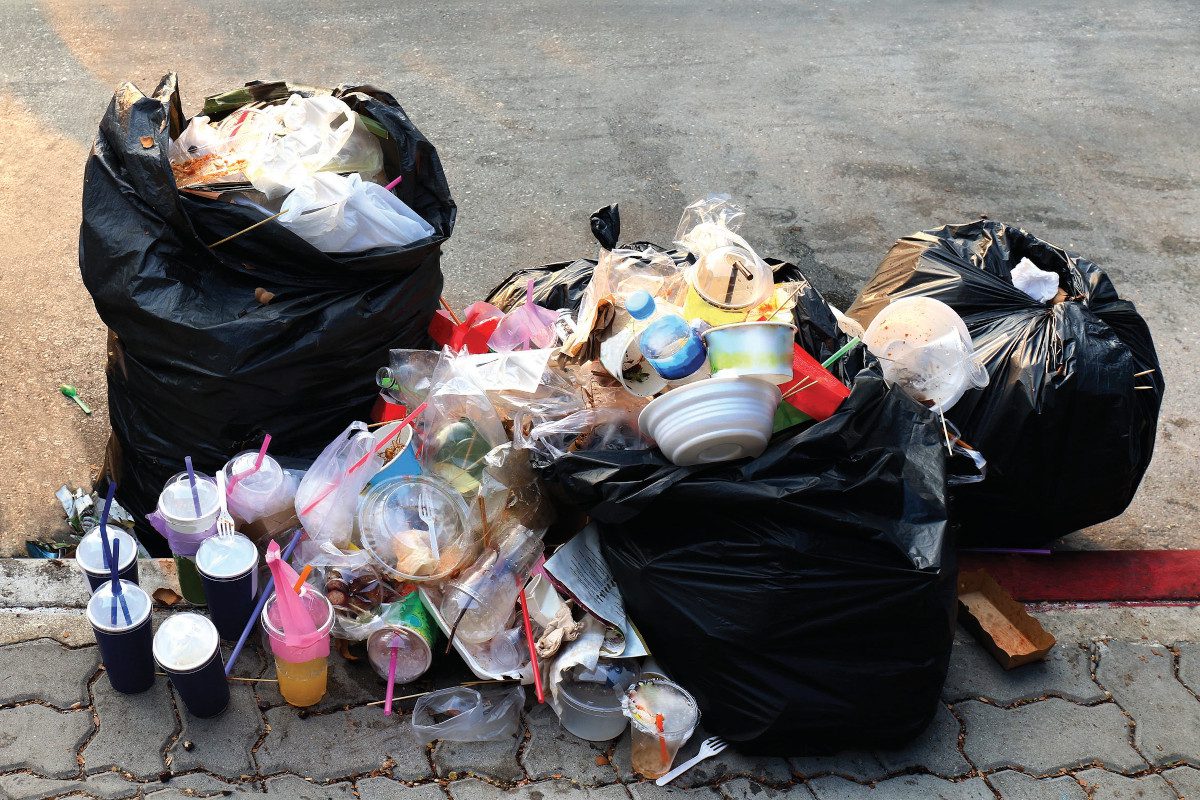
Official figures published by the Scottish Environment Protection Agency (SEPA) reveal a stark divide in the nation's municipal waste management trajectory. While household waste sent to landfill has fallen by over 84% since 2011, overall recycling rates have remained essentially flat over the same period. The diverted waste stream has predominantly shifted toward thermal treatment facilities, highlighting an increasing reliance on Energy-from-Waste (EfW) infrastructure rather than high-value material recovery.
The divergence underscores a persistent structural challenge within UK waste management. Simply avoiding landfill does not automatically drive circular economy outcomes. As local authorities face strict landfill diversion targets, incineration has provided a reliable operational route. However, this trend starves reprocessors of potentially recyclable plastic waste, retaining valuable secondary polymers in the energy-recovery loop rather than returning them to product manufacturing. Furthermore, as the UK moves toward incorporating municipal waste incinerators into the UK Emissions Trading Scheme (ETS), heavy reliance on EfW will incur escalating carbon liabilities for waste operators.
For UK waste management firms and packaging converters, these statistics serve as a clear warning regarding supply constraints and upcoming compliance costs. If household recycling performance fails to advance, meeting statutory recycled content thresholds will become increasingly difficult and expensive. For Turkish recyclers sourcing post-consumer polymers from the UK market, stagnant collection performance paired with thermal destruction means that high-quality, pre-sorted rigid and flexible feeds could become scarcer. This reinforces the need for cross-border partners to secure clean supply lines and invest in robust sorting technology.
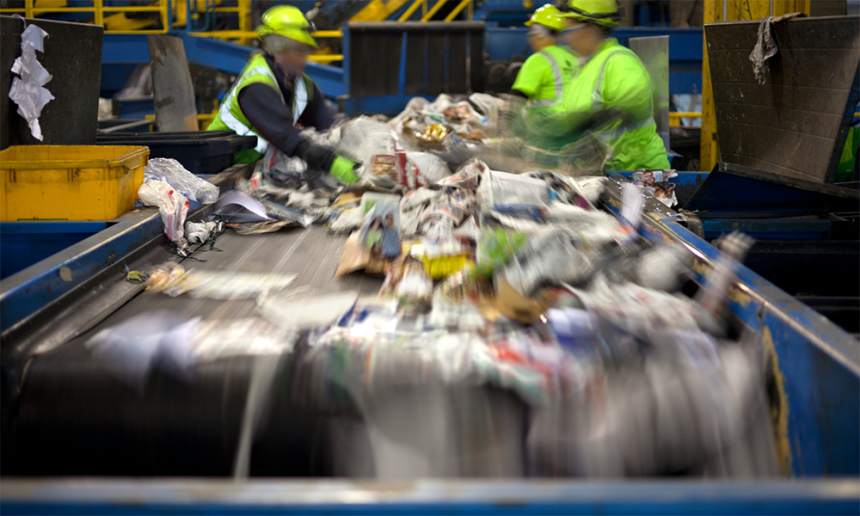
Practical Takeaway: Waste operators and material recovery facilities must focus investments on automated sorting infrastructure and kerbside source separation to intercept recyclable polymers before they enter residual waste streams destined for energy recovery.